
Imagine signing a $250,000 agreement for your new backyard cottage, only to realize the payment schedule lets the contractor collect half the funds before the foundation is even poured. In California, this isn't just a bad deal; it's often a violation of state law. You want your project to be a smooth addition to your property, but the fear of mechanics liens or contractor abandonment can make the process feel like a high-stakes gamble. It's natural to feel anxious about cost overruns or whether your adu construction contract actually complies with the latest 2026 legislative updates like SB 543.
We're here to help you move from uncertainty to informed readiness. This guide will show you how to master the complexities of your agreement to ensure project transparency and legal protection. We'll examine the mandatory CSLB payment limits, explain how to structure a fair progress schedule that keeps your project moving, and verify that your paperwork aligns with new 2026 standards. You'll gain the confidence to sign on the dotted line knowing your investment is secure and your backyard build is on the right track.
Why the ADU Construction Contract is Your Most Critical Project Document
Your adu construction contract is much more than a pile of paperwork required for a permit. It's the legally binding roadmap for your backyard home, serving as the final gatekeeper between a successful build and a financial headache. Think of this document as a detailed instruction manual that dictates how your money is spent, how your property is protected, and how disputes are resolved before they ever begin. In a high-stakes environment like California, where construction costs in 2026 average between $250 and $450 per square foot, leaving details to chance isn't an option.
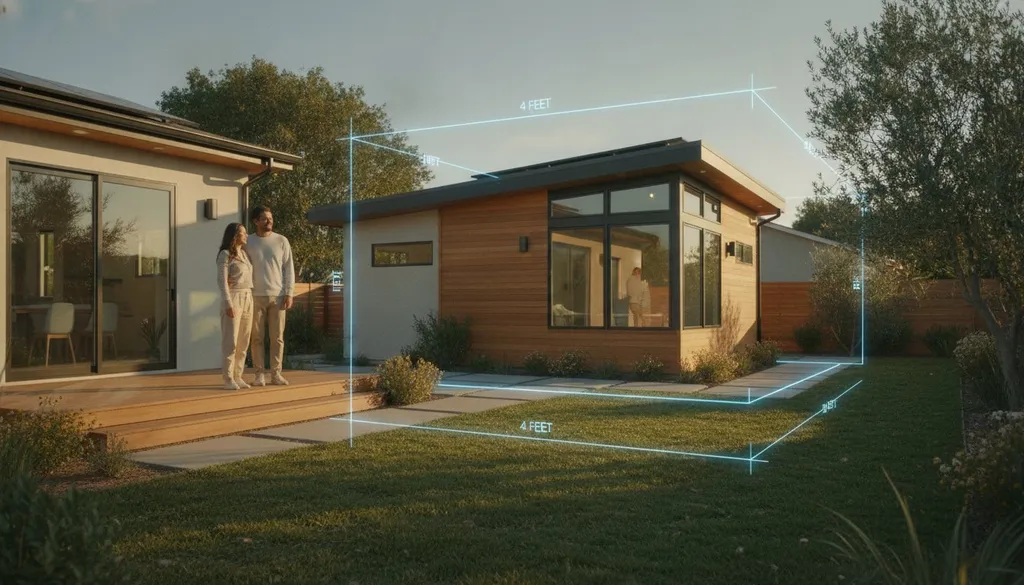
Relying on "handshake deals" or generic internet templates is a recipe for project failure. California’s regulatory environment is unique and incredibly strict. A standard agreement designed for a kitchen remodel in another state won't account for the specific complexities of an Accessory Dwelling Unit (ADU) (opens in a new tab), such as mandatory four-foot setbacks or complex utility tie-ins. The Contractors State License Board (CSLB) governs these agreements with precise requirements. If your contract doesn't include specific CSLB-mandated notices or follows illegal payment structures, you lose your primary tool for managing expectations and risk.
The High Stakes of Backyard Development
Building an ADU presents challenges that a standard home addition doesn't. You're essentially creating a standalone residence on an existing lot, which requires precise coordination of utility connections and strict adherence to local zoning. A detailed contract prevents scope creep, which is the number one cause of project delays and budget blowouts. Without a clear definition of what "finished" looks like, you might find yourself paying extra for basic items like exterior lighting or landscaping that you assumed were included. In 2026, with average detached ADU costs often exceeding $400,000, poorly defined payment terms can lead to devastating financial exposure if a contractor underperforms.
Contractor Accountability and Professionalism
A thorough, transparent contract is often the best indicator of the quality of the builder you've selected. When you use a vetted matching service to find reliable ADU contractors (opens in a new tab), you'll notice they lead with comprehensive agreements rather than vague estimates. A professional's willingness to put every detail in writing reflects their license status and commitment to CSLB standards. Be wary of "Standard Form" contracts provided by builders that seem overly simplified. These often favor the contractor by limiting their liability or providing vague timelines. Your goal is a balanced agreement that holds the builder accountable to the specific milestones of your unique backyard build.
Essential Clauses Every California ADU Contract Must Include
A well-drafted adu construction contract serves as your primary defense against project delays and financial disputes. It transforms a vague plan into a concrete set of obligations. To ensure your backyard build remains transparent and stays on budget, your agreement must go beyond basic pricing. It needs to include a detailed Schedule of Values that breaks down the total project cost into verifiable line items. This allows you to see exactly how much you are paying for framing, plumbing, and electrical work rather than looking at a single, opaque lump sum. Additionally, the contract must establish a formal Change Order procedure. This ensures that any deviation from the original plan is documented in writing, including the specific cost and timeline impact, before the work begins.
Your agreement should also feature a "time is of the essence" clause. This legal phrasing holds the contractor to the specific start and completion dates listed in the document. Without it, timelines often become suggestions rather than requirements. When you connect with professionals who prioritize transparency (opens in a new tab), you'll find these clauses are standard practice for high-quality builds.
Defining the Scope: From Foundation to Fixtures
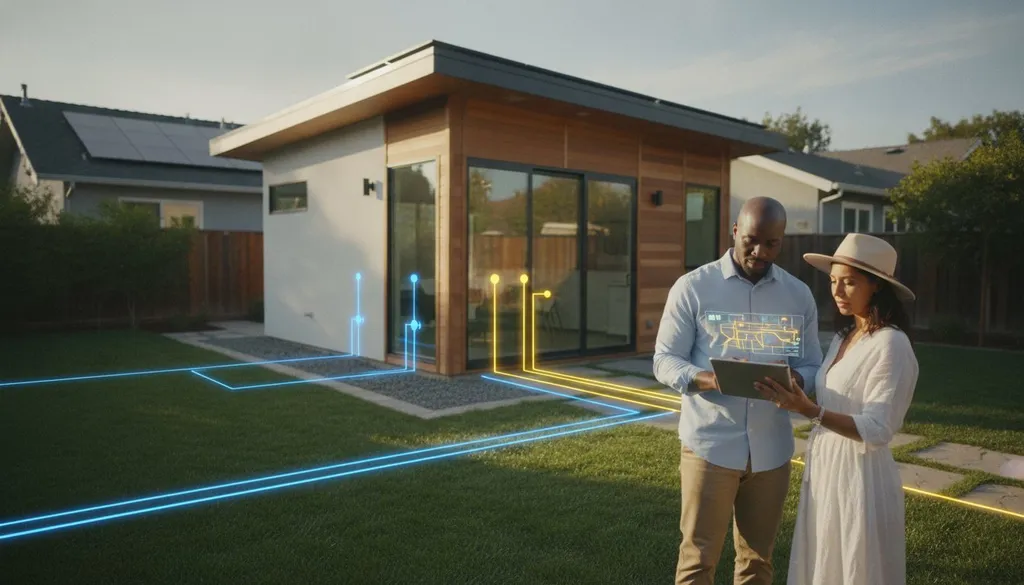
Vague language is the enemy of a successful build. Your contract should specify exact model numbers for appliances, types of flooring, and even the brand of windows to be installed. If the contract simply says "standard materials," you leave the door open for lower-quality finishes than you expected. You must also address utility trenching and meter upgrades. These are common sources of hidden costs that can add thousands to a project if they aren't explicitly included in the initial agreement. Scope of Work is the definitive list of materials and labor provided for your project.
The Payment Schedule: Protecting Your Cash Flow
California law is very protective of homeowners regarding financial outlays. According to California ADU laws and regulations (opens in a new tab), a contractor cannot collect a down payment exceeding 10% of the total project price or $1,000, whichever is less. If a builder asks for more upfront, it's a significant red flag. Structure your progress payments so they are tied to tangible milestones, such as the completion of the foundation or the installation of the roof. Never pay for work that hasn't been finished. Finally, always include a "Retention" clause. This allows you to hold back the final 5% to 10% of the contract value until the project passes its final city inspection and you've verified that all subcontractors have been paid. This final payment acts as your leverage to ensure the last few details of the build are completed to your satisfaction.
California-Specific Legal Requirements and Local Protections
California provides some of the strongest consumer protections in the country for homeowners embarking on backyard builds. To be legally enforceable, your adu construction contract must strictly adhere to California's Home Improvement Contract Requirements (opens in a new tab). These statutes mandate specific language regarding your right to cancel, mechanics lien warnings, and contractor insurance. For instance, most homeowners have a three-day "cooling-off" period to cancel the contract without penalty, while seniors aged 65 and older are granted five business days. Ensuring these notices are present isn't just about paperwork; it's about verifying that your builder operates within the bounds of state law.
Protecting your property title is another critical layer of the agreement. A mechanics lien warning informs you that subcontractors or material suppliers can place a lien on your home if the primary contractor fails to pay them, even if you've already paid the contractor in full. To mitigate this risk, your contract should outline the use of unconditional lien releases at each payment milestone. Additionally, never sign an agreement without proof of General Liability and Workers Compensation insurance. Without these, you could be held financially responsible for onsite injuries or property damage occurring during the build.
Navigating Local Zoning in Your Agreement
While state laws provide the framework, local ordinances dictate the specifics of your build. Your contract should explicitly reference the local rules in Los Angeles (opens in a new tab) or San Diego (opens in a new tab) to ensure the design meets city-specific setback and height requirements. It's vital to clarify who is responsible for paying city impact fees and permit costs. In many cases, it's cleaner for the homeowner to pay the city directly to avoid contractor markups, but this must be clearly defined to prevent budget surprises. The contractor should also be held responsible for ensuring the ADU passes all local inspections as a condition of progress payments.
Dispute Resolution: Mediation vs. Arbitration
Many contractors include mandatory arbitration clauses in their standard forms. While arbitration is often faster than a court trial, it can be expensive and limits your right to appeal. We generally recommend prioritizing local mediation as the first step for conflict resolution. Mediation is a less formal, collaborative process that aims for a win-win outcome. If a dispute involves an amount under $50,000, you can also leverage the CSLB arbitration program, which provides a specialized path for resolving construction-related grievances without the high costs of private legal battles. Always ensure the "venue" for any legal action is your local county to avoid traveling for hearings.
Red Flags and Negotiation Tips for Homeowners
Approaching your adu construction contract as a collaborative negotiation rather than a fixed ultimatum is the best way to protect your interests. Many homeowners feel pressured to sign quickly, but a professional builder will respect your need for clarity. One of the most common mistakes is relying on oral promises made during the initial walkthrough. If a contractor says they'll "throw in" a specific appliance or handle a permit fee for free, ensure that detail is written into the final signed document. If it isn't on the page, it doesn't exist in the eyes of the law.
A major red flag involves any demand for upfront payments that exceed California's legal limit of 10% or $1,000. If a builder asks for a large "commitment fee" before work begins, they're either unaware of state regulations or intentionally ignoring them. You should also negotiate for a "Liquidated Damages" clause. This provision sets a predetermined daily amount the contractor pays you if the project exceeds the agreed-upon completion date without a valid excuse. This keeps the builder focused on your timeline and compensates you for lost rental income or delayed use of the space. To avoid these pitfalls from the start, you can find contractors who use transparent agreements (opens in a new tab) through our matching service.
Vague Clauses vs. Precise Language
Precise language is your best defense against conflict, while vague language often hides future markups. Watch for "allowances" for items like flooring or light fixtures. If a contract provides a $2,000 allowance for cabinets, but the actual cost for basic quality is $4,000, you'll be hit with a change order immediately. Convert these allowances into fixed-price items by selecting your materials before the contract is finalized. Any clause you don't understand should be clarified in writing before signing. This prevents the "standard materials" trap where a builder installs the cheapest possible options to protect their profit margin.
The Power of the "Clean Lot" Clause
Building in a backyard means construction happens just steps from your primary living space. A "Clean Lot" clause requires daily debris removal and maintains site safety standards. This protects your existing landscaping and ensures your family can still access the main house safely during the build. It's also vital to define work hours to comply with local noise ordinances. For example, if you're building in San Francisco (opens in a new tab), your contract should reflect the city's specific noise limits and construction hours. Establishing these boundaries early prevents friction with neighbors and ensures a professional job site from start to finish.
Moving from Contract to Construction with ADUDesk
Signing your adu construction contract is a major milestone, but the real work begins with active project management. Use the ADUDesk Project Planner to sync your build milestones with the payment schedule defined in your agreement. Verify the contractor's permit fee estimates against our ADU Permit Fees Guide (opens in a new tab) to ensure you aren't being overcharged for city costs. Start the process with a formal site meeting to establish communication channels, confirm the staging area for materials, and review the safety protocols for the job site before the first shovel hits the ground.
Tracking Progress and Payments
Use digital tools to document every stage of the build as it happens. Never release a progress payment until you've verified the work completion in person and confirmed it meets the quality standards specified in your agreement. Take high-resolution photos at every milestone mentioned in the contract, from the first trenching to the final paint. This creates a visual record that protects you if disputes arise later or if you decide to sell the property. As the walls go up, use the ADU ROI Calculator (opens in a new tab) to track how the project's progress is increasing your total property value in real-time.
Final Walkthrough and Closeout
The final phase requires meticulous attention to detail to ensure you get exactly what you paid for. Conduct a thorough walkthrough with your contractor to create a "Punch List" of minor items that need correction, such as paint touch-ups or cabinet adjustments. Cross-reference this list with your original contract scope to ensure every fixture and finish matches the agreed-upon model numbers. Before you issue the final retention payment, collect unconditional lien releases from every subcontractor and supplier involved in the build. The project officially concludes only when you receive the final Certificate of Occupancy from the city, confirming the unit is safe for residents.
If your builder fails to meet the standards set in the agreement, don't wait for the project to stall. Use ADUDesk resources to find a new vetted professional who can step in and complete the work. Having a solid adu construction contract already in place makes this transition significantly easier, as it provides a clear record of what has been paid and what work remains. This transparency allows a new builder to pick up where the previous one left off without the need for a costly legal overhaul.
Securing Your Backyard Investment
A finalized adu construction contract represents more than just a legal requirement; it's the foundation of a successful partnership between you and your builder. By focusing on detailed scopes of work and transparent payment schedules, you've taken the most important step in protecting your financial future. These documents move your project from a state of uncertainty to one of informed readiness, ensuring your backyard build complies with the latest 2026 California regulations.
Success in modern development requires a combination of expert guidance and reliable data. Our vetted California contractor network and accessory dwelling unit experts are intimately familiar with regional nuances and the high-stakes nature of these builds. When you leverage our data-driven project planning tools, you maintain a steady grip on your timeline and budget from the first site meeting to the final walkthrough. We're here to act as your project partner, providing the stabilizing force you need to turn your vision into a reality.
Find Vetted ADU Contractors Ready to Build Your Project (opens in a new tab) and take the next step toward a stress-free construction experience today. Your new home is within reach.
Frequently Asked Questions
What is the maximum down payment a contractor can ask for in California?
In California, the maximum down payment a contractor can legally request is 10% of the total project price or $1,000, whichever amount is smaller. This limit is strictly enforced by the Contractors State License Board (CSLB) to protect homeowners from excessive upfront risk. If your builder asks for more, it's a significant red flag. Always verify that your payment schedule follows this rule before signing any paperwork.
Do I need a lawyer to review my ADU construction contract?
While you aren't legally required to hire a lawyer, having a legal professional review your contract provides an extra layer of security for high-stakes builds. A lawyer can identify subtle clauses that might favor the builder over the homeowner. Many homeowners find that using vetted contractors who utilize CSLB-compliant agreements provides sufficient protection. Focus on ensuring the document includes all mandatory California disclosures and clear milestone definitions.
What happens if my contractor finishes later than the date in the contract?
If your contractor misses the completion date, your recourse depends on the specific language in your agreement. Including a "time is of the essence" clause and a liquidated damages provision allows you to hold the builder financially accountable for delays. These clauses typically specify a daily dollar amount deducted from the final payment for every day the project remains unfinished past the deadline. Without these protections, enforcing a strict timeline becomes much more difficult.
Can I change the design of my ADU after the contract is signed?
You can change the design of your ADU after signing, but you must use a formal, written Change Order to do so. This document should detail the specific modifications, the change in material or labor costs, and any impact on the overall project timeline. Never rely on verbal agreements for design changes. Both you and the contractor must sign the Change Order to ensure the adu construction contract remains accurate and legally binding throughout the build.
What is a mechanics lien, and how does my contract protect me from it?
A mechanics lien is a legal claim placed on your property by subcontractors or suppliers who haven't been paid by your primary contractor. Your contract protects you by requiring "unconditional lien releases" at every payment milestone. These documents serve as proof that the builder has paid all parties involved for work completed to date. Collecting these releases before issuing the next check ensures your property title remains clear of any third-party financial claims.
How should I handle payments if the contractor misses a milestone?
Stop all payments immediately if a contractor misses a defined milestone. Your payment schedule should be strictly tied to tangible progress, such as the completion of framing or the installation of plumbing. Releasing funds before work is finished removes your primary leverage and can lead to project abandonment. Consult your adu construction contract to verify the specific requirements for that stage and document the lack of progress with photos before discussing the delay.
Is a digital signature legally binding for a California ADU contract?
Yes, digital signatures are legally binding for construction agreements in California under both state and federal law. Platforms like DocuSign or Adobe Sign provide a secure, time-stamped record of the agreement that holds the same weight as a physical signature. This technology streamlines the administrative process and allows for faster project kickoffs. Ensure that all parties receive a fully executed digital copy of the final document for their records once everyone has signed.
What specific insurance should I verify in the contract before signing?
You must verify that your contractor carries both General Liability and Workers Compensation insurance before construction begins. General Liability protects your property from damage caused during the build, while Workers Compensation covers medical costs if a worker is injured on your site. Ask for an insurance certificate that names you as an "additionally insured" party. This ensures you aren't held financially liable for accidents or property damage that occur during the project.