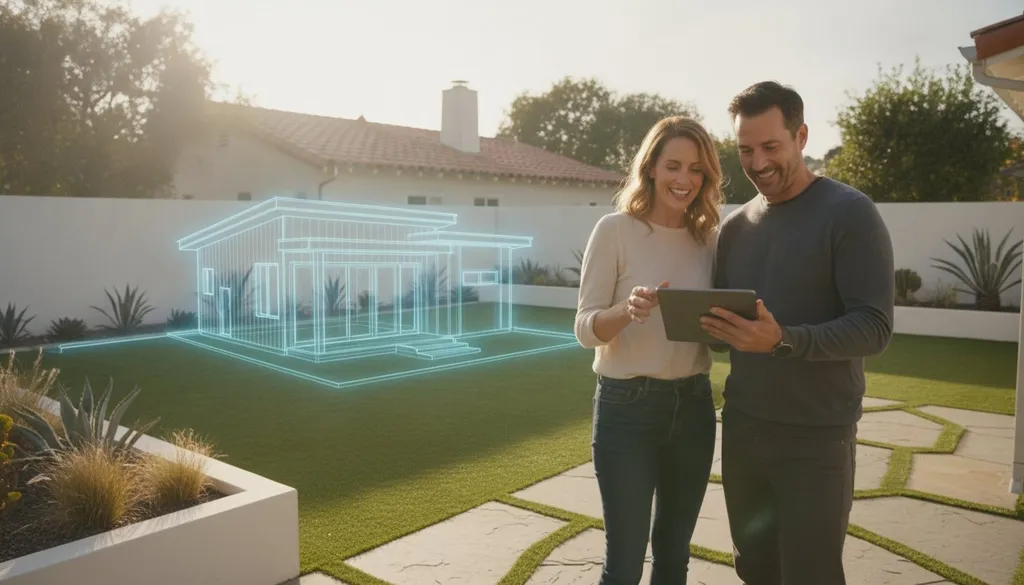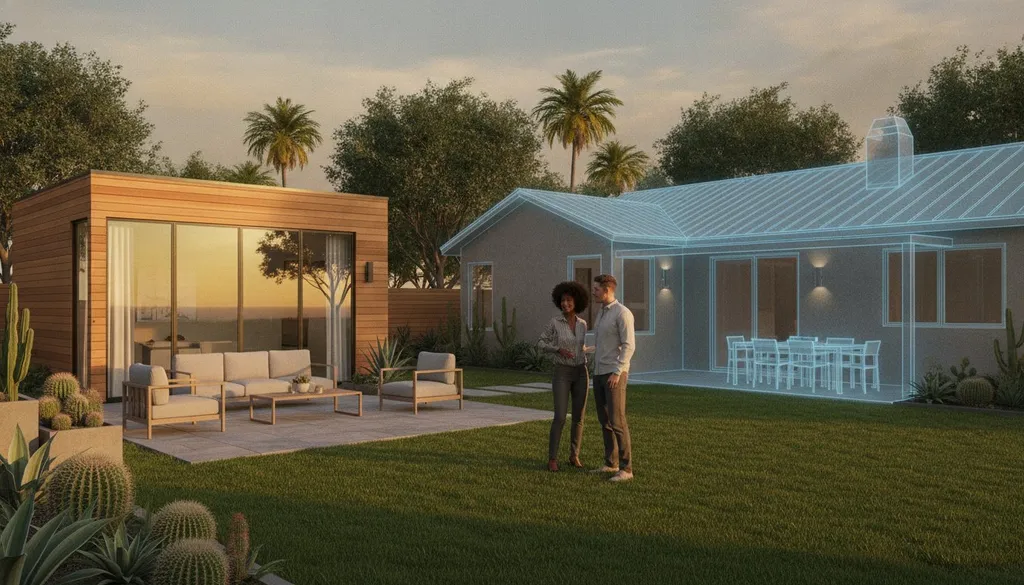

What if the most important person on your ADU project isn't the person swinging the hammer, but the one who knows your city's planning desk by name? In California, a stunning design won't help you if it fails a 2026 building code inspection or gets trapped in a permit backlog. You likely already know that the difference between a smooth build and a backyard nightmare comes down to the specific questions to ask an adu contractor during the vetting process. It's natural to feel anxious about conflicting quotes or the risk of contractor ghosting when your savings and property are on the line.
We're here to replace that uncertainty with a clear, methodical path toward a successful build. This guide provides a comprehensive 21 point checklist designed to reveal red flags early and ensure your contractor has the regulatory mastery your project requires. You'll gain the tools to verify specialized experience, demand quote transparency, and protect your investment before signing a contract. By following this structured approach, you can move from a state of confusion to one of informed readiness for your 2026 backyard project.
Why Vetting an ADU Contractor Requires a Different Strategy
Building a backyard home isn't like remodeling a kitchen or finishing a basement. It's a regulatory project first and a construction project second. You aren't just adding a room; you're creating a legal residential unit. This distinction is why your list of questions to ask adu contractor candidates must focus on permit mastery rather than just craftsmanship. In the 2026 landscape, California’s building codes have become even more specialized, making it vital to hire a professional who views your backyard as a mini-development.
The "Addition" vs. "Unit" Misconception
Many homeowners treat an ADU as a simple home addition. However, California law classifies these as independent living spaces with their own set of requirements. This means they often require separate addresses and specific utility metering for water and electricity. Fire safety is also much more stringent. For instance, specific firewall requirements apply to detached units built close to property lines. Because of these technical demands, standard construction timelines for a "room addition" rarely apply to the complex reality of an ADU.
The Role of Local Zoning Knowledge
California’s Housing and Community Development (HCD) standards provide a baseline, but local ordinances still dictate the fine details. A contractor must navigate city-specific setbacks, height limits, and floor area ratios (FAR). If they aren't familiar with your city’s pre-approved plan options or the nuances of SB 9 and SB 10, your project could stall at the planning desk for months. When refining your questions to ask adu contractor prospects, prioritize their recent experience with your local planning department. Hiring a "great" general contractor who lacks specific ADU experience is a common pitfall that leads to permit delays and budget overruns.
Before you begin the interview process, use an ADU feasibility check (opens in a new tab) to establish clear benchmarks for your specific lot. Knowing your local zoning rules allows you to spot red flags immediately when a contractor makes unrealistic promises about what you can build. You need a partner who understands that success depends on navigating local regulations just as much as pouring a solid foundation. This preparation moves you from a state of uncertainty to one of informed readiness, ensuring your backyard build starts with a high-tech resource rather than a guess.
Experience and Local Expertise: The "Deep Dive" Questions
Moving beyond basic licensing checks is essential for a project of this scale. You need to know if your candidate truly understands your city's specific quirks and technical demands. Use these targeted questions to ask adu contractor prospects to gauge their local success rate and technical proficiency.
- How many ADU permits have you pulled in \[My City\] in the last 12 months? Consistent volume in your specific jurisdiction suggests they have a working relationship with local planners and understand current 2026 permit processing times.
- Can you show me a completed project that involved a garage conversion or detached build? Each type has unique hurdles. Garage conversions often require moisture barriers and slab reinforcements, while detached builds involve complex trenching for utilities.
- How do you handle current Title 24 energy efficiency requirements? California’s energy codes are strict. Your contractor should speak confidently about solar mandates, high-efficiency heat pumps, and insulation standards.
- Do you have experience with local utility providers like LADWP or PG&E for new service drops? Managing new electrical panels or sewer connections is often the longest part of the timeline. A pro knows how to submit these applications early to avoid months of dead time.
Verifying the Portfolio
Don't take a glossy website gallery at face value. Look closely for "stock photos" that lack consistent branding or local architectural styles. Ask to visit an active job site instead. Seeing how a crew manages organization and safety in a cramped backyard tells you more than any photo. To check for build longevity, request "stale" references from projects completed over two years ago. This helps you verify if the finishes stayed intact and if the contractor was responsive to any warranty claims after the final check was cashed. If you want to skip the uncertainty of the blind search, you can use a vetted contractor matching service (opens in a new tab) to find pros who already have a proven track record in your specific neighborhood.
Regulatory Fluency
In California, ADUs often trigger mandatory fire sprinkler laws if the primary dwelling has them or if the unit is located far from the street. Your contractor should explain how they integrate these systems without blowing the budget. Ask about their history with local building inspectors; a contractor who understands an inspector's specific preferences can often navigate the "correction" process much faster. Understanding height limits is also vital for 2026 projects. Following the passage of SB 897, California established new minimum height limits of 16 to 25 feet depending on the unit's proximity to transit and the height of the main house.
Financial Transparency and Hidden ADU Costs
Financial clarity is the foundation of a stress-free build. You don't want to discover halfway through construction that your quote didn't include essential regulatory fees. When refining your questions to ask adu contractor candidates, start by focusing on the contract structure. Ask whether they provide a "Fixed Price" or a "Time and Materials" agreement. A fixed-price contract offers a safety net against material price spikes, while time and materials agreements can leave your budget vulnerable to open-ended spending. You need a partner who values predictability over ambiguity.
Ensure your interview includes these specific financial inquiries:
- Does this estimate include city permit fees, school impact fees, and utility connection charges? These "soft costs" can add tens of thousands to a project if they aren't accounted for upfront.
- What is your "Change Order" process and your average percentage of cost overruns? Knowing how a contractor handles mid-project adjustments helps you prepare a realistic contingency fund.
- Is the payment schedule linked to calendar dates or inspection milestones? Never pay based on a date. Always link payments to passed city inspections to ensure the work meets legal standards before money changes hands.
Decoding the Quote
Contractors often use "Shell only" pricing to make a bid look attractive. This covers the structure but leaves you responsible for flooring, cabinetry, and appliances. Look for "Turnkey" pricing if you want a move-in ready unit. Be wary of the lowest bid; it often hides missing line items that reappear later as expensive change orders. You should also scrutinize "allowances" for finishes. If a contractor sets a low allowance for a kitchen suite, you'll face an immediate price hike when you realize that amount won't even cover basic appliances. Accurate quotes reflect real-world material costs.
California-Specific Financial Hurdles
In California (opens in a new tab), specific regulations can significantly impact your bottom line. For instance, ADUs under 750 square feet are currently exempt from many local impact fees, which can save you a substantial amount. Verify that your contractor is applying these exemptions correctly. You also need to clarify utility costs. A simple "tie-in" to your existing home's service is usually cheaper, but local providers may mandate a brand-new meter installation. Before you sign, use an ADU cost calculator (opens in a new tab) to verify that the estimate aligns with current regional averages. This objective data point helps you spot unrealistic quotes before they become your financial burden.
Project Management: Timelines, Logistics, and Red Flags
A successful ADU build depends on clear communication and organized site management. Since this construction happens just steps from your back door, you need to know exactly how the daily operations will impact your life. Use these questions to ask adu contractor candidates to ensure they have a robust plan for oversight and logistics.
- Who is the dedicated Project Manager, and how often will they be on-site? You don't want to be the one managing subcontractors. Ensure there is a single point of contact who visits the site at least two to three times per week.
- How will you manage crew access and site cleanup in an occupied backyard? Construction is messy. A professional team should have a plan for portable toilets, debris removal, and secure gates to keep your family and pets safe.
- What is the projected timeline from "Permit Issued" to "Certificate of Occupancy"? Ask for a realistic 2026 schedule that accounts for framing, inspections, and finish work.
- How do you handle delays caused by supply chain issues or weather? A proactive contractor secures long-lead items like windows and electrical panels early in the process.
The Backyard Logistics Plan
Your backyard isn't just a job site; it's part of your home. A reliable contractor will outline how they intend to protect your existing landscaping and irrigation lines from heavy machinery. They should also establish clear "quiet hours" to maintain good relations with your neighbors. Modern ADU builders often use portal-based communication tools like CoConstruct or Buildertrend. These apps allow you to track daily progress photos, approve change orders, and view the project calendar in real-time. This level of transparency is a hallmark of a tech-forward professional.
Contractor Red Flags to Watch For
Stay vigilant for warning signs during the interview process. In California, it's illegal for a contractor to request a down payment of more than 10% of the total project price or $1,000, whichever is less. If someone asks for a massive upfront deposit or offers a "cash only" discount, walk away. You should also verify they have a permanent business address and a valid local license. Never trust a contractor who suggests you "build now and ask for forgiveness later" regarding permits. This shortcut often leads to expensive "stop work" orders and legal headaches. If you're feeling overwhelmed by the vetting process, you can find pre-vetted contractors (opens in a new tab) through a professional matching service to ensure your project stays on track.
Finalizing Your Selection: From Interview to Agreement
Once you’ve gathered your initial responses, the focus shifts to objective comparison. You should compare at least three different quotes side-by-side to identify discrepancies in material quality or labor hours. If one quote is significantly lower, revisit your questions to ask adu contractor list to see if they missed specific line items like utility trenching or Title 24 compliance. When comparing quotes, look for line-item consistency. If one contractor bundles "utilities" into a single figure while another breaks out "sewer tie-in" and "electrical panel upgrade," the more detailed quote is usually the more accurate one. This transparency helps prevent hidden costs from surfacing during the framing stage.
While data is vital, don't ignore the "gut check." This contractor and their crew will be in your backyard daily for several months. You need a partner who communicates clearly and respects your property. If a contractor was late to the interview or struggled to answer technical questions about local setbacks, those are indicators of how they'll handle the build. Trust and transparency are just as important as the final price tag. ADUDesk’s matching service (opens in a new tab) simplifies these steps by connecting you with pros who have already passed rigorous background and performance checks, allowing you to skip the initial "blind search."
The CSLB Checklist
Before signing any agreement, perform a final verification through the California Contractors State License Board (CSLB). Ensure the license is active and specifically classified as a Class B General Building Contractor, which is required for residential units. You must also verify that they carry active Workers’ Compensation and General Liability insurance. This step protects you from being held liable for on-site injuries or property damage. Check the portal for any past disciplinary actions or consumer complaints that might suggest a pattern of poor performance. A valid bond is also essential, as it provides a layer of financial protection if the contractor fails to complete the work or pay their subcontractors.
Moving Forward with Confidence
Take your time with the final decision. You should never feel pressured to sign a contract during the first meeting. Review the document carefully to ensure it includes the payment milestones and change order processes you discussed. You can use the ADU Project Planner to track your contractor’s milestones and keep the project on schedule from the start. Taking these final precautions moves you from a state of uncertainty to one of informed readiness. Ready to build with a partner you can trust? Get matched with pre-vetted ADU contractors today (opens in a new tab) and take the first step toward a successful backyard build.
Start Your 2026 ADU Build with Confidence
Building a secondary home is a significant investment that requires more than just construction skill; it demands regulatory mastery. You now have a comprehensive list of questions to ask adu contractor candidates to ensure they can navigate California’s complex 2026 codes and manage a lived-in job site with professionalism. Success depends on moving from a state of uncertainty to one of informed readiness by prioritizing financial transparency and verifying local permit history. These steps protect your investment and ensure your project stays on track from the first shovel in the ground.
You don't have to manage this high-stakes vetting process alone. ADUDesk provides the tools you need to succeed, including California-specific ADU rule checkers and data-driven cost estimation tools that ground your project in reality. Our platform streamlines your search by connecting you with a hand-picked network of local ADU specialists who have already been pre-screened for reliability and expertise. This approach removes the guesswork from your project and ensures you partner with a professional who understands the specific hurdles of your city.
Find Vetted ADU Contractors for Your Project (opens in a new tab) and take the first step toward a successful, on-budget backyard build. Your vision is achievable when you have the right experts by your side.
Frequently Asked Questions
How much should I pay an ADU contractor upfront in California?
In California, you should never pay more than 10% of the total project price or $1,000 upfront, whichever amount is smaller. This is a strict legal limit set by the Contractors State License Board to protect homeowners. If a professional asks for a larger deposit, it's a major red flag. Always verify these terms before signing any agreement. Subsequent payments should be tied to specific project milestones and passed city inspections.
Do I need a separate architect and contractor for my ADU?
You don't always need to hire them separately. Many homeowners choose design-build firms that handle both the architectural plans and the construction under one roof. Alternatively, you can hire an independent architect first and then use the finalized plans to get competitive bids. When considering questions to ask adu contractor candidates, ask if they have in-house designers or if they prefer working with your specific architectural team to ensure a seamless permit process.
What is the average timeline for building an ADU in 2026?
A typical ADU project in 2026 takes between 9 and 18 months from initial design to final move-in. The design and permitting phase often takes 4 to 8 months, depending on your city’s current backlog. Actual construction usually lasts 5 to 10 months. Factors like utility service drops and specialized material availability can extend these windows. Use a project planner to track these stages and hold your team accountable to the projected completion date.
Is it cheaper to use a prefab ADU company or a local contractor?
Prefab units often have a lower sticker price for the structure itself, but total costs can be similar to site-built ADUs once you include site preparation and utility trenching. Local contractors offer more customization for awkward lot shapes or specific architectural matches. While prefab offers speed, a local builder provides flexibility. Evaluate your lot’s complexity and use a cost calculator to compare the total "all-in" price for both options before deciding.
Can a contractor help me with ADU financing?
Most contractors don't provide direct financing or loans. While they might recommend third-party lenders they’ve worked with, the responsibility for securing a HELOC, construction loan, or renovation mortgage rests with the homeowner. Be wary of contractors who offer "in-house" financing with high interest rates. Instead, focus on finding a builder who provides a transparent, fixed-price quote so you can secure accurate funding from your bank or credit union.
What happens if my ADU contractor goes over budget?
Your financial protection depends on whether you signed a fixed-price or a time-and-materials contract. With a fixed-price agreement, the contractor is generally responsible for overruns unless you request a change order. If you have a time-and-materials contract, you may be liable for rising costs. This is one of the most critical questions to ask adu contractor prospects during the interview. Always maintain a 10% to 15% contingency fund for unforeseen structural or utility issues.
Do I need to be home during the ADU construction process?
You don't need to be home, but you must establish a clear communication and access plan. Most homeowners live on-site during the build since it occurs in the backyard. Ensure your contractor has a secure way to access the site without requiring you to be present for every delivery or inspection. Use a digital project management portal to view daily progress photos and updates, which allows you to stay informed without disrupting your daily work schedule.
What is a "turnkey" ADU contract?
A turnkey contract means the contractor handles every aspect of the project from start to finish. This includes the initial site prep, foundation, framing, interior finishes, and even appliance installation. When the project is turned over to you, it's ready for immediate occupancy. This is often the most reliable way to avoid hidden costs, as the quote should reflect the final price for a move-in ready home rather than just the structural shell.