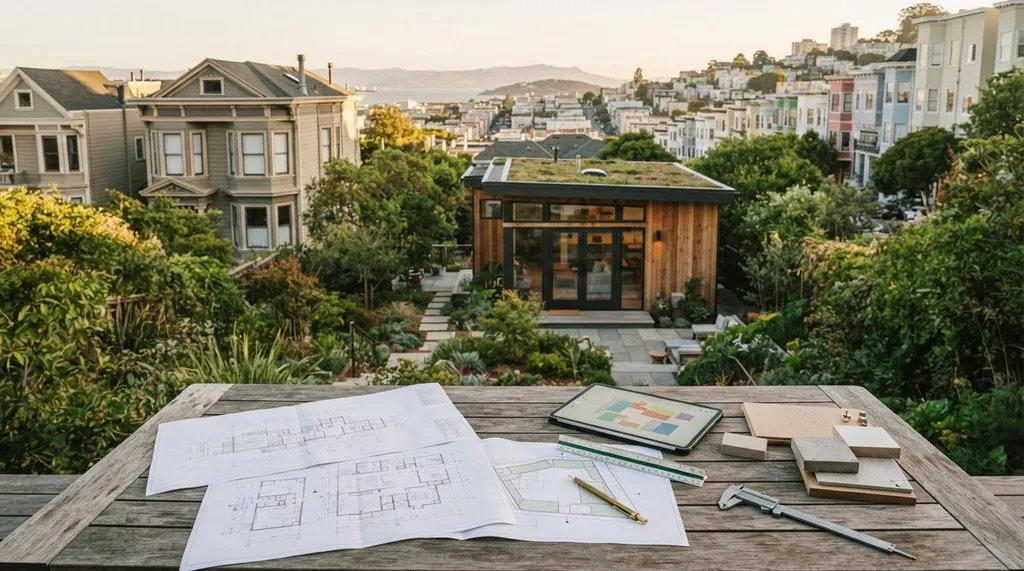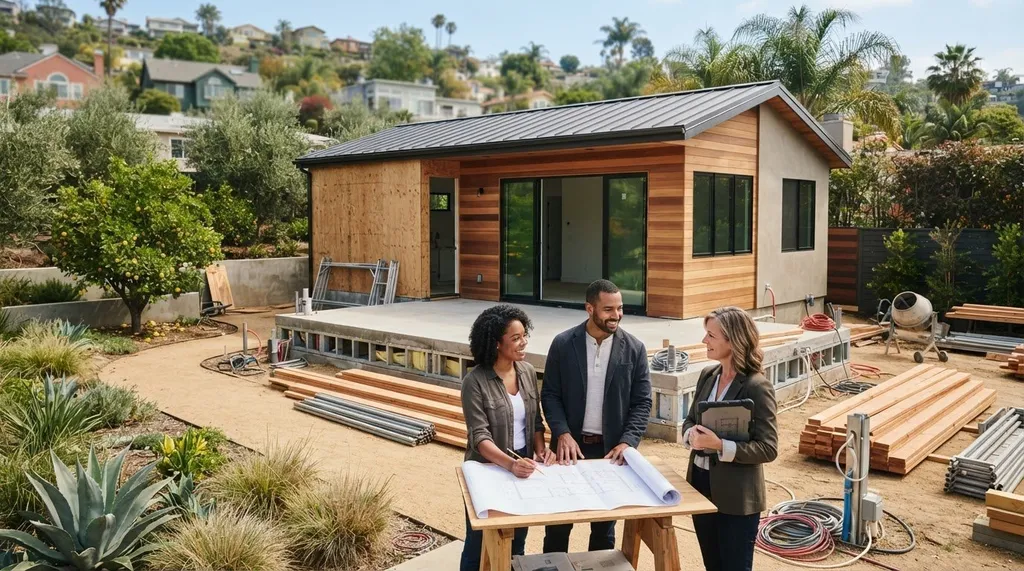

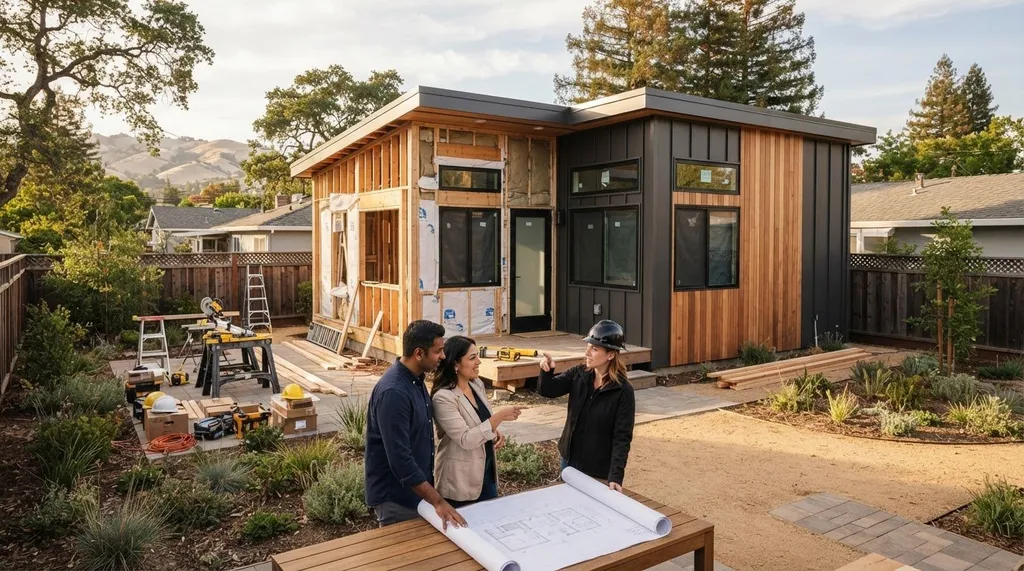
What if the timeline you’ve seen for a San Jose ADU includes months when no construction is happening? The average adu construction time san jose homeowners ask about is only one part of the schedule: building a detached ADU typically takes four to eight months once construction begins, while design and permitting happen beforehand. Online estimates can blur those stages, making it hard to tell what a contractor’s timeline actually covers.
That uncertainty is understandable. Local review, site conditions, and project decisions can all affect the schedule. Estimates are also difficult to compare when they use different milestones, so a single number rarely tells the whole story.
This guide separates construction time from design and permitting, explains what can shorten or extend a build, and shows you how to ask contractors for a clear, milestone-based schedule. You’ll also learn what to clarify before work starts so you can compare estimates on the same terms and plan your next steps with more confidence.
What Does Average ADU Construction Time in San Jose Actually Include?
The average adu construction time san jose homeowners see depends on where the clock starts and stops. For a useful estimate, separate on-site building work from design, permit review, and approvals after construction. Published timelines may count different milestones, so a single average can be misleading unless its scope and source are clear.
ADU construction time is the period spent on on-site building work, from documented site mobilization or the start of site work through substantial completion, excluding design, permitting, and post-build approvals. Use that definition when comparing schedules, then confirm whether an estimate includes final inspections or other closeout steps.
The video below focuses on ADU costs, not a verified construction-time benchmark. Use it for cost context, not as evidence of a build schedule.
When Does ADU Construction Start and Finish?
Ask the contractor to define the start date. It might be mobilization, when the crew and equipment arrive, or the first documented site work. Neither necessarily matches the contract signing, design completion, or permit issuance date.
At the other end, substantial completion generally means the main contracted building work is complete, but it may not mean every inspection or closeout step is finished. Confirm whether the quoted end date includes final sign-off or occupancy approval, where applicable. Ask exactly which milestones the estimate covers.
Why One San Jose ADU Average Cannot Fit Every Project
A detached ADU is a separate structure, an attached addition connects new space to the existing home, and a garage conversion adapts an existing structure. Each involves a different scope, and none has a reliable schedule without project-specific details.
Schedule assumptions can change with the amount of work, access for crews and deliveries, and existing conditions discovered after work begins. Limited access, for example, may complicate moving materials, while unexpected garage repairs can add tasks. Ask contractors to identify these assumptions and explain how changes affect milestones. Review San Jose ADU rules and local guidance (opens in a new tab) as you clarify project scope. Clear boundaries make average adu construction time san jose estimates easier to compare, even when they don’t promise the same outcome.
Which San Jose ADU Construction Stages Shape the Schedule?
Once permits are in place, construction typically follows a chain of work: site preparation enables foundation work, framing creates the structure, and rough-ins and finishes lead toward inspections and closeout. Some tasks can overlap, but the critical path depends on work that must wait for an earlier task or an inspection. Permit review happens before construction and shouldn’t be counted as on-site build time.
Use this sequence as a planning framework, not as a fixed San Jose inspection checklist. Confirm current local inspection and approval requirements with the City before setting your project schedule. For statewide context, consult California's ADU laws (opens in a new tab) and verify which requirements apply to your specific project locally.
From Site Preparation to a Weather-Tight Structure
- 1. Mobilization and site preparation: The team organizes access, protects the work area, and prepares the site. Utility routes, a narrow side yard, or limited space for equipment and deliveries can affect the work sequence.
- 2. Excavation, demolition, and foundation: Crews clear or remove material as needed, prepare the ground, and build the foundation. Existing site conditions or utility conflicts can require adjustments before the structure can proceed.
- 3. Framing and enclosure: The frame defines the building. Roofing, windows, doors, and exterior layers then help enclose it. Deliveries and access affect the sequence, while completing the enclosure allows interior work to advance.
These stages depend on one another. A delay resolving a utility route, for example, may hold up foundation work and shift later tasks. Ask the contractor which assumptions the sequence relies on and how changes to site conditions will be handled.
From Rough-In to Final Inspection
- 4. Mechanical, electrical, and plumbing rough-ins: Systems are installed within the framing before walls are closed. Their placement and coordination need to be ready for applicable inspections.
- 5. Insulation and interior work: After required rough-in checks and any corrections, the crew can proceed with insulation, wall finishes, fixtures, and other interior details.
- 6. Final checks and closeout: The contractor addresses remaining work and coordinates applicable inspections or approvals. Physical completion doesn’t necessarily mean final sign-off is complete.
Inspection readiness affects the schedule. If work isn’t ready or corrections are required, later tasks may need to wait. Confirm which inspections apply, who schedules them, and whether the quoted completion milestone includes final approval. San Jose requirements can change, so verify them with the City rather than assuming a generic sequence covers every project.
As you compare schedules, ask contractors to map these stages to written milestones and explain who coordinates inspections and follow-up work. ADUDesk’s contractor matching service (opens in a new tab) can help you connect with professionals and compare their schedule assumptions and relevant project experience.
How Do ADU Type and Site Conditions Change San Jose Build Time?
The average adu construction time san jose estimate is most useful when it reflects the building method and property conditions. A new detached structure, an addition, a garage conversion, and a prefab or modular unit each involve different work. None is automatically the fastest: the schedule depends on what must happen on the site before, during, and after installation.
Compare the Project Types
<table><thead><tr><th>Project type</th><th>Likely schedule implications</th><th>Variables to confirm</th></tr></thead><tbody><tr><td>Detached ADU</td><td>Typically requires a new structure and may involve foundation and utility work on the property.</td><td>Ground conditions, grading, access for equipment, and utility routing.</td></tr><tr><td>Attached addition</td><td>Work must connect the new space to the existing home, so sequencing may affect both areas.</td><td>Connection details, access, and how construction affects the occupied home.</td></tr><tr><td>Garage conversion</td><td>Adapts an existing structure rather than starting with a new standalone building, but existing conditions can change the scope.</td><td>Condition of the garage, required alterations, and utility needs.</td></tr><tr><td>Prefab or modular ADU</td><td>Factory production may shift some work off-site, but it doesn’t remove site preparation, delivery, utility connections, or applicable inspections.</td><td>Site readiness, transport and placement access, connection work, and inspection coordination.</td></tr></tbody></table>
These are planning distinctions, not promised timelines. An existing garage may need substantial work once its condition is assessed, while a detached build can face site or utility constraints. Ask contractors to state what assumptions their schedules make about the structure, scope, and readiness of the property.
Assess San Jose Site Factors
Before comparing schedules, consider the practical conditions that can shape the critical path:
- Access and work area: A narrow route or limited space for equipment and materials may affect delivery and staging.
- Grading and trees: Changes to the ground or constraints around existing trees may influence where and how site work proceeds. Have project professionals assess the property.
- Utilities: Routing and coordinating connections can affect sequencing. The details require project-specific review, not a generic estimate.
Ask each contractor which site assumptions are included, what needs further assessment, and how a changed condition could affect the schedule. Check San Jose ADU rules and local guidance (opens in a new tab) for local context, then verify current city requirements. Use an ADU project-planning framework to organize scope and pre-construction decisions and prepare questions for qualified professionals.
How Can You Estimate and Protect Your San Jose ADU Schedule?
A useful construction estimate shows more than a start date and projected finish. Ask for a written, milestone-based schedule that makes its assumptions visible. This helps you compare estimates on equal terms and spot unfinished planning tasks before they become schedule problems. No schedule can remove every uncertainty, but clear ownership and regular updates make changes easier to understand.
Questions to Ask Before Accepting a Construction Timeline
Request a schedule that answers these questions:
- What starts the clock? Confirm whether the start means crew mobilization, first site work, or another documented milestone.
- What counts as completion? Ask whether the finish date means substantial completion, completion of the contracted scope, or final inspection and closeout.
- What remains outstanding? Identify permits, utility coordination, material selections, and homeowner decisions that could affect the sequence.
- Who owns each coordination task? Confirm who schedules inspections, manages subcontractors, tracks deliveries, and follows up on corrections.
- What is excluded? Ask how weather, material availability, change orders, and inspection corrections are handled, and how schedule changes will be documented.
Compare milestones, not just total duration. One estimate may begin after site preparation while another includes it. If a contractor’s schedule doesn’t show dependencies, ask which tasks can proceed in parallel and what must be completed first. That context makes the average adu construction time san jose estimate more useful for your project.
Build a Schedule Around Verified San Jose Requirements
Before treating a construction schedule as final, verify the current city requirements and approval steps that apply to your project. Use the San Jose ADU local rules page (opens in a new tab) to prepare questions, then confirm project-specific details with relevant city sources and professionals. Don’t assume a generic schedule accounts for every local requirement.
Once work begins, keep a simple record of milestone dates, decisions, delivery changes, inspection outcomes, and agreed schedule updates. If a change affects later work, ask the contractor to explain the impact and provide a revised schedule in writing. This won’t guarantee a delay-free build, but it gives everyone a shared reference point and helps surface unresolved decisions sooner.
ADUDesk connects homeowners with qualified ADU professionals. Compare ADU contractors for your San Jose project (opens in a new tab) and ask each to explain timeline assumptions, milestones, and coordination responsibilities.
How Can ADUDesk Help You Prepare for an ADU Build in San Jose?
ADUDesk helps homeowners organize an ADU project and connect with professionals. It isn’t a builder or construction manager, so it doesn’t set or control your construction schedule. Its planning resources can help you clarify project details and prepare questions for contractors, making their timeline estimates easier to compare.
Prepare the Project Before Comparing Contractor Schedules
Before requesting estimates, put the basics in one place. Note your goals, proposed ADU type, known site constraints, and open questions. For example, record access limitations you know about and whether the project involves a detached structure, an addition, or an existing garage. Use ADUDesk’s project-planning resources to organize decisions and track what still needs confirmation.
Check local context early, too. ADUDesk’s San Jose-specific rule checker and San Jose ADU local rules page (opens in a new tab) can help you prepare questions about applicable requirements. Verify current rules and project-specific approvals with the relevant authorities and professionals. Keep those details visible when reviewing estimates, since different assumptions about scope or approvals can produce schedules that aren’t directly comparable.
Compare San Jose ADU Contractors on Schedule Clarity
Ask each contractor for a written timeline that identifies the start point, key milestones, and completion milestone. Check whether the estimate states what’s included and excluded, which assumptions it relies on, and who coordinates inspections, subcontractors, deliveries, and homeowner decisions. A clear response helps you assess how the proposed schedule fits your project, not just how short the overall estimate sounds.
Consider relevant ADU experience alongside schedule clarity. Ask how the contractor communicates updates and documents changes if site conditions, selections, or other project details shift. ADUDesk’s contractor matching service can connect homeowners with qualified ADU professionals, but you’ll still need to review each professional’s experience, proposed scope, and schedule directly. For more evaluation questions, consult a reliable ADU contractor vetting guide.
There’s no single schedule that fits every project, so use the average adu construction time san jose as context, not a promise. Start with a clear scope, then compare written timelines using the same milestones and assumptions. Find ADU contractors for your project (opens in a new tab) and ask how their schedules account for your property and project details.
Turn Your ADU Timeline Into a Clear Next Step
The average adu construction time san jose homeowners encounter is useful only when the estimate defines its start, finish, and included milestones. Separate on-site work from design and permitting, then compare schedules using the same assumptions. Your ADU type, property conditions, inspections, and outstanding decisions all shape the plan, so ask contractors how those factors affect their proposed sequence.
Prepare before you compare. ADUDesk offers city-specific rule checking and project-planning resources to help organize local questions, project scope, and decisions. It also connects homeowners with qualified ADU professionals, so you can evaluate their relevant experience, written schedules, and communication practices. ADUDesk doesn’t build or manage construction, and no estimate can guarantee a particular completion date.
Ready to discuss your project with professionals? Find ADU contractors for your San Jose project (opens in a new tab) and compare their schedules against your property’s needs. A clear plan can help you move forward with more confidence.
Frequently Asked Questions
What is the average ADU construction time in San Jose?
For a detached ADU, the on-site construction phase is estimated at four to eight months, but that range isn’t a guaranteed average for every project. The average adu construction time san jose depends on the ADU type, project scope, site conditions, and milestones included in the schedule. Treat any timeline as a planning estimate, and ask whether it begins with mobilization or site work and ends at substantial completion or final sign-off.
Does ADU construction time include San Jose permitting and design?
Usually, construction time refers to on-site building work and excludes design and permit review. Those are separate pre-construction phases, and post-build inspections or approvals may also fall outside a contractor’s stated construction duration. Estimates can differ because one may cover only active building work while another includes additional project milestones. Ask contractors to state what their estimate includes, where the schedule begins, and what event marks completion.
Which type of ADU is usually fastest to build in San Jose?
There isn’t one ADU type that’s fastest in every case. A garage conversion adapts an existing structure, but hidden condition issues or needed alterations can add work. A detached ADU may require new site and foundation work, while an attached addition must connect to the home. Compare project-specific scopes and site assumptions rather than choosing based on the ADU label alone.
Can San Jose site conditions extend an ADU construction schedule?
Yes. Limited equipment or delivery access, grading needs, trees, utility routing, and unexpected conditions in an existing structure can affect work sequencing. For example, a utility conflict may need to be resolved before dependent construction tasks can proceed. Ask the contractor which site conditions have been assessed, what remains uncertain, and how a discovered issue would be documented and reflected in an updated schedule.
How can I compare ADU contractor timeline estimates?
Request a written schedule from each contractor and compare the same milestones. Check the start and finish definitions, included work, assumptions, exclusions, and responsibility for inspections, subcontractors, deliveries, and homeowner decisions. Ask how schedule changes, inspection corrections, and material availability will be communicated. ADUDesk connects homeowners with qualified professionals and has city-specific resources for San Jose and other locations, including Los Angeles, San Diego, Oakland, Sacramento, and San Francisco.
What happens if an inspection or utility connection delays ADU construction?
If an inspection identifies work that needs correction, or a utility connection isn’t ready, tasks that depend on that step may need to wait or be resequenced. Ask who coordinates the inspection or utility work, what must be completed before the next milestone, and how any schedule change will be recorded. Confirm revised dates in writing so you and the contractor are working from the same plan.
Does a prefab ADU take less time to build in San Jose?
It may shift some work off-site, but prefab construction doesn’t eliminate site preparation, delivery, utility connections, placement, or applicable inspections. Whether the overall build takes less time depends on project-specific details, including site access, readiness, and how on-site work is coordinated with factory production. Ask the contractor to show both off-site and on-site milestones, and clarify which tasks the timeline includes.