
Your ADU utility hookups aren't just a simple connection; they're a site-engineering challenge that can swing your budget by $20,000 before you even break ground. It's frustrating to receive conflicting quotes from contractors or feel blindsided by hidden LADWP fees that weren't in the initial estimate. You likely already know that adu utility connection costs los angeles vary based on your property's unique layout, but the lack of transparent, up-to-date data often makes it hard to plan with confidence.
This guide provides the realistic 2026 roadmap you need to move forward. We'll break down the specific expenses for water, sewer, and power, including the $14,000 to $32,000 range most homeowners face this year. Learn when a separate meter is a smart investment, how to handle 2026 Title 24 solar mandates, and the best ways to vet specialized trenching contractors. Use these strategies to identify potential hurdles like old clay pipes or rocky soil so you can build with total financial readiness.
The Reality of ADU Utility Connection Costs in Los Angeles
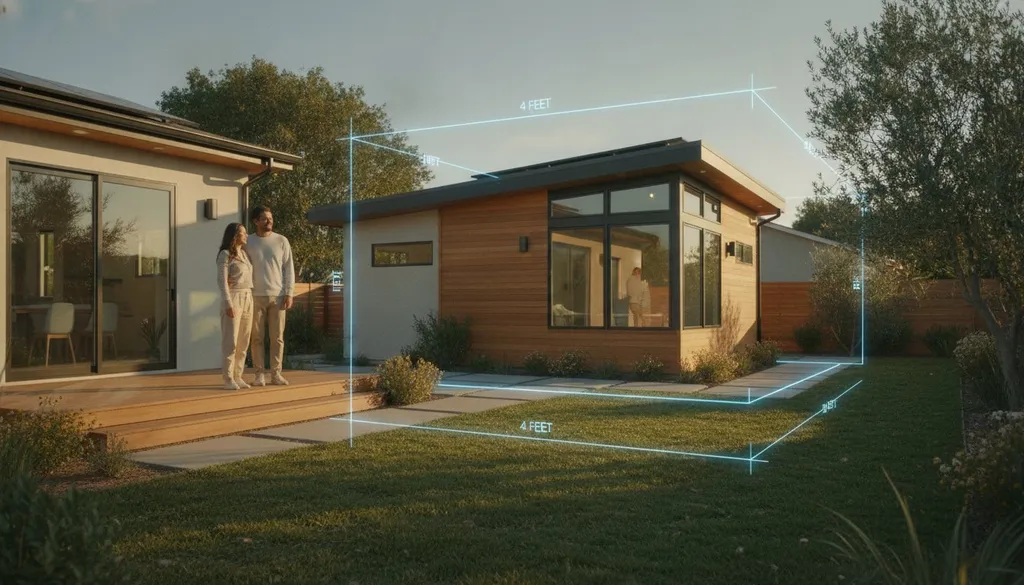
Utility connections represent the physical and legal bridge between your private Accessory Dwelling Unit (ADU) (opens in a new tab) and the city’s shared infrastructure. In Los Angeles, these aren't just simple hookups. They involve complex trenching, load calculations, and adherence to specific LADWP and Bureau of Sanitation standards. Because every lot in LA is unique, adu utility connection costs los angeles are highly variable. Factors like the distance from the main street or the condition of your existing sewer lateral determine whether you pay $14,000 or upwards of $32,000 for the total installation.
To visualize how these technical requirements fit into the overall value of your project, watch this overview:
Expect utility connections to account for 8% to 12% of your total ADU budget. This percentage remains high because Los Angeles often requires significant site work to modernize old infrastructure. Many homeowners are now choosing all-electric designs to simplify this process. Eliminating gas lines can save between $4,000 and $8,000 in plumbing and connection fees, though it increases the demand on your electrical panel.
Why 2026 is a Turning Point for LA Utility Planning
Current California building codes now push new detached ADUs toward all-electric configurations. This shift aligns with LADWP’s efforts to upgrade infrastructure in older neighborhoods where existing grids are strained. Additionally, the transition to the Net Billing Tariff (NBT) for solar power has changed the math for utility planning. You must now balance your solar PV system size with your grid connection to maximize long-term savings. Check the latest California ADU regulations (opens in a new tab) to see how these infrastructure mandates apply to your specific zip code.
Soft Costs vs. Hard Costs in Utility Hookups
Budgeting for adu utility connection costs los angeles requires distinguishing between soft and hard expenses. Soft costs include permit fees, city inspection charges, and architectural load calculations. Hard costs cover the "dirt work," such as excavation, copper piping, and specialized labor for trenching. Never skip the load calculation during your design phase. If your existing main panel cannot handle the additional 2026 electrical requirements, you may face an unexpected $2,500 to $4,500 upgrade fee before the city allows a final hookup.
Breaking Down the Four Major Utility Pillars
Success in planning your ADU depends on understanding the four primary utility pillars: electricity, water, sewer, and gas. You must decide between a "Main Home Tap," which shares existing services, or a "New Street Connection," which establishes independent lines. While tapping into the main home is generally more affordable, a new street connection provides the separate metering necessary for long-term rentals. This choice alone can shift your adu utility connection costs los angeles by over $15,000 depending on the distance to the public utility main.
Modern 2026 projects favor high-durability materials like PEX for water lines and ABS for sewer piping to balance longevity with cost efficiency. However, city standards often mandate copper for the first few feet of a water service line. Before finalizing your material list, review LA County's ADU Ordinance to ensure your site plan meets current municipal standards for unincorporated areas and city pockets alike. This pre-construction phase is also the time to perform "Utility Load Balancing." This technical assessment ensures that adding a second unit won't overwhelm your existing infrastructure, leading to frequent circuit breaks or low water pressure.
Electrical: The LADWP Panel Upgrade Hurdle
Most older Los Angeles homes operate on a 100-amp electrical panel. If you plan to build a detached ADU, LADWP typically requires an upgrade to a 200-amp panel to handle the combined load. This upgrade costs between $2,500 and $4,500. If you opt for a dedicated meter to bill tenants separately, expect total installation costs to range from $4,500 to $9,500. Additionally, California's "Solar-Ready" requirements mean your panel must have dedicated space for future or current PV system breakers, which can further complicate the layout of a crowded sub-panel.
Sewer and Water: Trenching and Lateral Realities
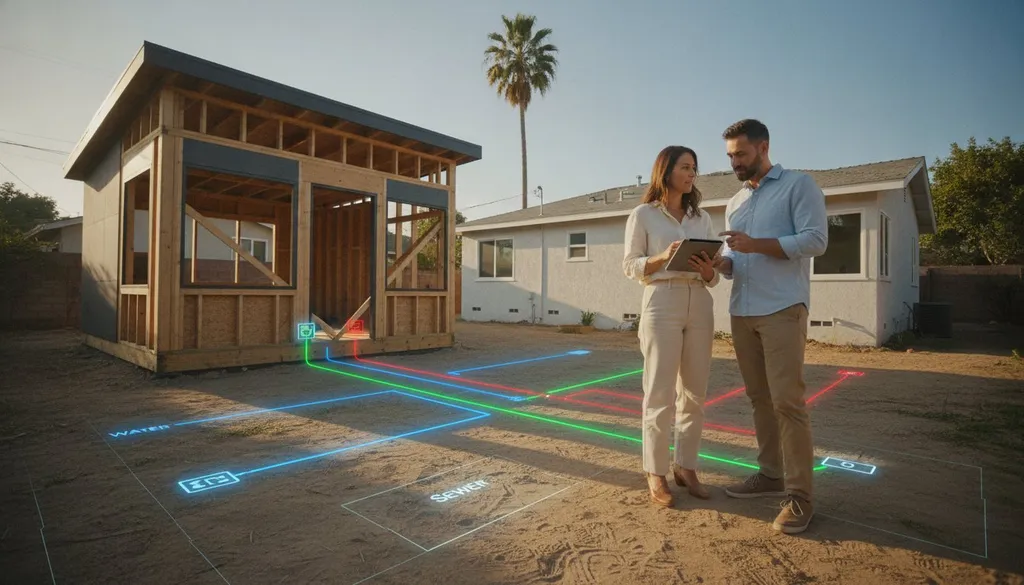
Sewer costs are the most unpredictable element of any budget. A shared lateral connection typically costs between $3,000 and $8,000, but if the city requires a new lateral to the street, costs can jump to $22,000. Always pay for a $500 sewer camera inspection before you start. This simple step identifies root intrusions or collapsing clay pipes that could lead to a $10,000 surprise later. In hilly neighborhoods like Silver Lake or Echo Park, water pressure often fluctuates. You may need to install a booster pump or a backflow preventer to meet safety codes for detached units. Before you commit to a trenching plan, use the Local ADU Rule Checker (opens in a new tab) to verify your property's specific setback and easement requirements.
Site-Specific Cost Drivers: Distance, Depth, and Terrain
While city fees are relatively predictable, the physical geography of your property often dictates the final price tag. Distance from the main utility line is the single biggest multiplier for your budget. For most 2026 projects in Los Angeles, if your ADU is more than 40 feet from the main utility lines, trenching costs alone add $50 to $100 per linear foot. This figure covers the labor of moving dirt and doesn't include the cost of the conduits or piping themselves. In neighborhoods like the San Fernando Valley, sandy soil makes for quick excavation. However, if you're building in the Hollywood Hills, chipping through volcanic rock or dense clay will quickly drive labor costs toward the higher end of that range.
Terrain also triggers specific regulatory hurdles. The Los Angeles Hillside Ordinance often dictates how and where you can route utilities to prevent soil erosion. These rules might require deeper trenches or even reinforced concrete encasements for your lines. While state-level ADU laws (opens in a new tab) prevent cities from charging excessive impact fees, they don't shield you from the physical costs of challenging terrain. Always review the specific California ADU rules (opens in a new tab) for your zone to see if your lot requires specialized engineering before a shovel hits the ground.
Trenching vs. Directional Boring: A 2026 Price Comparison
Open trenching is the most common method, but it's destructive to existing landscaping. If your utility path runs directly under a pristine concrete driveway or a mature oak tree, directional boring is often the more economical choice. This trenchless technology uses a guided subterranean drill to create a path for pipes without disturbing the surface. While the initial equipment setup fee is higher, boring saves you from the "hardscape tax" of replacing hundreds of square feet of concrete. In 2026, boring is becoming the standard for adu utility connection costs los angeles when the run exceeds 50 feet and crosses significant obstacles.
The "Distance Tax": How Every 10 Feet Impacts the Budget
Lengthy utility runs create technical challenges beyond just labor. For electrical connections, long distances cause "voltage drop." To fix this, your contractor must use thicker, more expensive copper wire to ensure your ADU's appliances receive consistent power. Sewer lines present a different challenge: they require a consistent downward slope of at least 1/4 inch per foot. If your unit is at the back of a deep, flat lot, the line might end up too deep to connect to the main sewer. In these cases, you'll need an ejector pump. These systems add approximately $3,000 to $5,000 to your project and require ongoing maintenance, making unit placement a critical financial decision.
Strategic Ways to Reduce Connection Expenses
Lowering your adu utility connection costs los angeles starts with a single, well-planned trench. Combined utility trenching allows you to lay water, sewer, and electrical conduits simultaneously, which cuts excavation labor by nearly 50%. Instead of paying for multiple mobilization fees, you consolidate the work into one phase. Size also plays a critical role in your budget. Under California state law, ADUs smaller than 750 square feet qualify for mandatory fee waivers on sewer connections and most impact fees. Keeping your footprint below this threshold can save you several thousand dollars in soft connection costs before you even start digging.
The 2026 Title 24 solar mandate requires a PV system for detached units, which typically costs between $11,000 and $17,000. While this is a significant upfront expense, it can sometimes prevent a total main panel upgrade by reducing the ADU's peak demand on the grid. By integrating solar early, you're not just following the law; you're future-proofing your property against rising LADWP rates.
The All-Electric ADU: Skipping the Gas Line
Building an all-electric ADU is one of the most effective ways to trim your budget. By skipping a SoCalGas connection, you eliminate $1,500 to $3,000 in connection fees and save between $4,000 and $8,000 total by removing the need for specialized gas plumbing. Modern heat pump water heaters and mini-split HVAC systems provide high efficiency, often qualifying for local decarbonization incentives. Before you finalize your mechanical plans, check local California rules (opens in a new tab) to see if your specific neighborhood mandates all-electric construction.
Smart Metering and Rental Management
If you plan to rent your unit, you don't necessarily need a dedicated LADWP meter. A separate meter installation can cost up to $9,500, whereas a high-quality sub-meter ranges from $500 to $1,500. Sub-meters allow you to track tenant usage accurately while keeping the primary bill in your name. Smart home technology can also help you monitor these loads in real-time, preventing tier-jump surcharges on your monthly statement. This approach offers a faster return on investment while still providing the transparency tenants expect.
To find a builder who understands these technical nuances, use our Contractor Matching Service (opens in a new tab) to receive three vetted quotes from local specialists who have experience with complex Los Angeles utility hookups.
Navigating the Pre-Construction Phase with ADUDesk
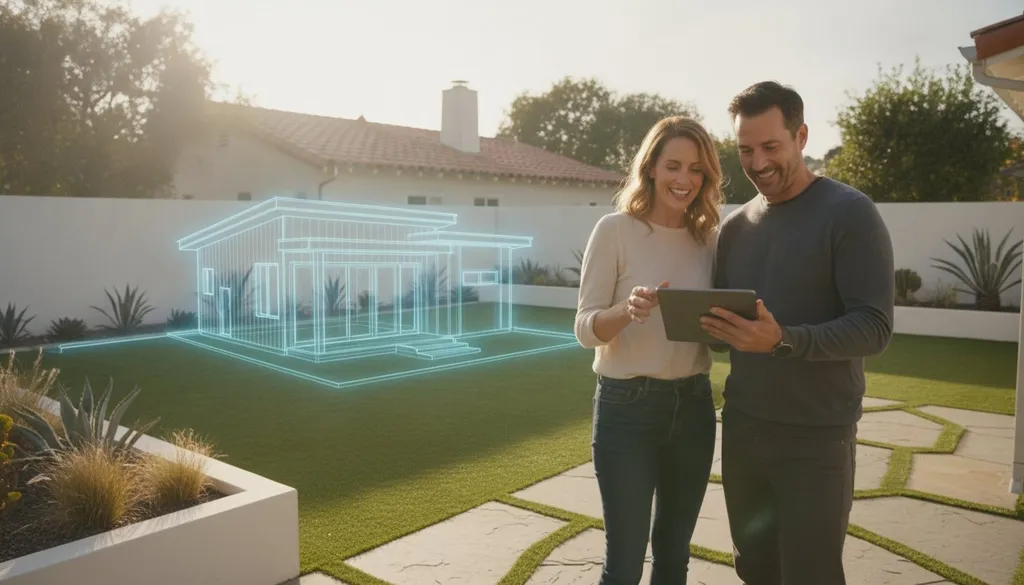
Success in managing adu utility connection costs los angeles depends on what you discover before the first shovel hits the dirt. Many homeowners face budget overruns because they fail to identify utility easements or restricted setback areas during the design phase. Our Local ADU Rule Checker is designed to solve this by scanning city-specific zoning data to identify these hurdles early. By understanding exactly where your utility lines can and cannot run, you avoid the costly mistake of drafting plans that the city will eventually reject. A data-driven feasibility report provides the stabilizing force you need to move from a state of uncertainty to informed readiness.
Identifying these technical constraints early allows you to build a project timeline that is both realistic and methodical. Instead of guessing how your property's specific terrain will impact your bottom line, you can use specialized tools to verify the path of least resistance for your water and sewer lines. This proactive approach is the hallmark of a well-managed project, ensuring that your 2026 budget remains intact throughout the construction process.
Using the ADUDesk Cost Calculator for 2026 Estimates
Our ADU Cost Calculator allows you to move past vague ballpark numbers and toward bid-ready specifications. By inputting site-specific conditions, such as the distance from the main home or the presence of existing hardscape, you generate a more accurate projection of your total utility investment. This tool helps you integrate these expenses into your overall ROI calculation, showing you how upfront costs like a separate LADWP meter might impact your long-term rental yield. It's about accuracy and local relevance, providing you with a financial roadmap that reflects current 2026 labor and material rates in Los Angeles.
Vetting Your Utility Contractor: 3 Must-Ask Questions
Finding a builder who is intimately familiar with regional nuances is essential for staying on budget. When you use our Contractor Matching Service, you're connected with professionals who have specialized utility experience. Before hiring, ensure you ask these three critical questions:
- Do you have recent experience with the 2026 LADWP residential code updates? This ensures they understand current panel spacing and "solar-ready" requirements.
- Does your bid explicitly include backfill and compaction? Some contractors omit this, leading to sinkholes or cracked driveways months after the project is finished.
- How do you handle unforeseen site obstacles like buried rock or old clay pipes? A transparent contractor will have a clear change-order process for these common LA site conditions.
Review the latest Los Angeles ADU Requirements (opens in a new tab) to stay informed on changing municipal standards. When you're ready to move forward, find vetted ADU contractors in Los Angeles (opens in a new tab) through our matching platform to ensure your project is handled by a knowledgeable local expert.
Build Your ADU with Financial Confidence
Understanding the technical landscape of utility hookups is the best way to protect your investment. You now know that site-specific factors like trenching distance and soil composition are the primary drivers of adu utility connection costs los angeles, often outweighing standard city fees. By prioritizing early load calculations and considering all-electric designs, you can avoid the $20,000 surprises that derail so many local projects.
Success in Los Angeles requires more than just a ballpark estimate; it requires real-time data and specialized expertise. ADUDesk provides the necessary tools to bridge this gap, offering access to a vetted network of 50+ LA-specific ADU contractors who are intimately familiar with 2026 zoning and code updates. These experts ensure your project follows the most efficient path from permitting to final hookup. Take the guesswork out of your pre-construction phase and secure your budget against hidden infrastructure hurdles.
Get Your Free ADU Utility Feasibility Check (opens in a new tab)
You have the roadmap. Now, it's time to build your future with certainty and professional support.
Frequently Asked Questions
Do I need a separate water meter for my ADU in Los Angeles?
You aren't required by law to install a separate water meter for your ADU, but it's often a strategic choice for rental properties. Sharing the main home's meter costs between $2,000 and $5,000 for the connection. A separate meter provides independent billing for tenants but increases your upfront investment to a range of $8,000 to $15,000. Choose based on your long-term management goals and budget availability.
How much does LADWP charge for a new electrical meter in 2026?
LADWP connection fees for a dedicated residential meter typically range from $2,000 to $5,000 in 2026. This fee only covers the city's connection service. You must also budget for the total installation, which includes a dedicated subpanel and professional labor, bringing the total cost to between $4,500 and $9,500. Understanding these adu utility connection costs los angeles for a dedicated electric meter helps you decide between independent billing or a more affordable sub-meter option.
Can I run ADU utilities under my existing driveway?
You can run utilities under a driveway, but the method you choose affects your final bill. Standard trenching requires cutting and replacing the concrete, which adds significant hardscape repair costs. Directional boring is a cleaner alternative that drills beneath the surface without disturbing the driveway. While the equipment setup for boring is more expensive, it often saves money by eliminating the need for costly concrete reconstruction and landscaping repairs.
Is an ejector pump necessary if my ADU is lower than the main sewer line?
An ejector pump is mandatory if your ADU's elevation prevents a natural downward slope of at least 1/4 inch per foot toward the main sewer. These pumps lift waste to the level of the main line to ensure proper drainage. Budget approximately $3,000 to $5,000 for the pump system and installation. While it adds to your initial costs, it's a critical component for properties with flat or reverse-sloped lots where gravity alone isn't sufficient.
Does a garage conversion cost less for utility connections?
Garage conversions generally cost less for utility hookups because the structure is usually closer to the primary residence's existing lines. This proximity reduces the linear feet of trenching required for water and sewer. However, you still need to perform a sewer camera inspection and verify that your existing electrical panel can handle the new load. Even with shorter runs, you must meet the same 2026 city standards as a detached new build.
What is the average cost per linear foot for trenching in LA?
The average adu utility connection costs los angeles for trenching labor range from $50 to $100 per linear foot. This price fluctuates based on your property's soil composition and accessibility. If your contractor encounters heavy clay or volcanic rock, expect the price to hit the higher end of that range. Hillside properties often require specialized equipment or reinforced trenching, which can also increase the per-foot rate beyond standard residential estimates.
Are fire sprinklers required for ADU utility connections in California?
California state law only requires fire sprinklers in an ADU if the primary residence is already equipped with them. Local cities cannot mandate sprinklers for a secondary unit if the main house doesn't have them. This regulation helps keep construction costs manageable for older Los Angeles homes. If your project does require them, you'll need to ensure your water service line is sized correctly to handle the necessary pressure for the sprinkler system.
Can I use solar power to avoid an electrical panel upgrade?
While solar power helps offset your ADU's energy consumption, it rarely eliminates the need for a 200-amp main panel upgrade. Most Los Angeles homes have 100-amp panels that simply aren't sized for the combined demand of two dwellings. LADWP typically requires the upgrade to ensure grid safety and reliability. However, integrating your mandatory Title 24 solar system early in the design phase helps your electrician optimize the new panel's layout for maximum efficiency.