
What if the 1,200-square-foot floor plan you've been dreaming of is legally impossible to build on your specific lot? It's a common fear in San Diego, where navigating the 2026 ADU Bonus Program and complex setback requirements can feel like a full-time job. You want a seamless addition to your property, but the threat of contractor ghosting or permit rejections keeps you stuck in the planning phase. We understand that this is a high-stakes investment, and the last thing you need is a generalist who is just guessing on local zoning laws.
This guide streamlines the process of vetting adu contractors san diego by focusing on what actually matters: local regulatory mastery and proven floor plan portfolios. You'll learn how to identify builders who understand the latest AB 1033 condo conversion options and the specific density limits for your lot size. We'll show you how to audit a contractor's past work to ensure their designs are actually permit-ready for your neighborhood. By the end of this article, you will have a clear framework to build a shortlist of vetted pros. We're here to help you move from uncertainty to informed readiness.
Why Vetting ADU Contractors in San Diego Requires a Local Lens
San Diego is often called the "ADU capital" of California, but this title comes with a dense web of local regulations that differ significantly from state minimums. Vetting adu contractors san diego requires verifying they understand the Development Services Department (DSD) workflow. In 2026, the city aims to notify applicants within 15 business days if their application is complete, but a contractor who doesn't know the DSD's specific digital submittal requirements can easily cause months of delays before a single shovel hits the dirt.
To better understand the local permitting landscape, watch this helpful video:
General contractors who work across multiple counties often struggle with San Diego’s specific fire-rating requirements for units built near property lines. They might also overlook the impact of Transit Priority Areas (TPAs). If your lot falls within a TPA, you may have different density options and parking requirements that a local expert would immediately recognize. Hiring a generalist who "guesses" at these rules often results in expensive redesigns after the city rejects the initial plans.
The Complexity of San Diego Zoning
One of the first steps in vetting adu contractors san diego (opens in a new tab) is confirming they know whether your lot falls under City of San Diego or San Diego County jurisdiction. The rules are not interchangeable. For example, if you live near the coast, your project might require Coastal Commission vetting, a process that adds layers of environmental review. Additionally, if your property sits on a canyon side, a knowledgeable builder will insist on a local soil report early in the process to account for San Diego’s unique topography and potential erosion risks.
San Diego ADU Bonus Program Expertise
The San Diego ADU Bonus Program is a powerful tool for homeowners, but it is technically demanding. As of July 2026, homeowners on lots under 8,000 square feet can potentially build up to four units, provided they meet specific criteria. Ask potential contractors about their experience with deed-restricted affordable units, which is often a requirement to unlock these density bonuses. They should also be familiar with the "Complete Communities" initiative, which encourages housing near transit. If a contractor cannot explain how AB 1033 allows for the separate sale of ADUs via condo conversion as of April 2026, they aren't keeping up with the local legal landscape.
The 5-Point Vetting Framework for San Diego Builders
Moving from a general search to a finalized contract requires a systematic approach. Vetting adu contractors san diego is not just about confirming they have a truck and a crew; it is about ensuring they have the professional infrastructure to survive a 12-month project cycle. In the 2026 market, where material costs and labor availability fluctuate, you need a partner with proven financial resilience and local accountability. This framework provides the specific metrics you should use to measure a builder's readiness for your project.
Checking Licenses and Insurance
Start by visiting the California Contractors State License Board (CSLB) portal to verify their license status. You are looking specifically for a "B" General Building classification. This allows the contractor to manage the multiple trades required for a ground-up ADU. Check that their $25,000 contractor bond is active and look for any past citations or legal actions. A clean record in a high-demand market like San Diego is a strong indicator of professional reliability.
Insurance requirements in San Diego go beyond basic general liability. If your property is located in a canyon-side neighborhood like Kensington or Tierrasanta, confirm their policy covers hillside construction risks. Ask for a Certificate of Insurance (COI) that lists workers' compensation. This protects you from being held liable if a crew member is injured on your property. Finally, ensure the contractor is the one actually pulling the permits. If a builder asks you to pull "owner-builder" permits, it's a major red flag that they may be unlicensed or uninsurable.
Local Reference Verification
When you call past clients, ask for references in neighborhoods with similar zoning to yours. A contractor who successfully built a unit in the flat lots of Mira Mesa may struggle with the historic preservation rules in North Park or the tight setbacks in Pacific Beach. Ask these references specifically about the contractor’s communication with San Diego Gas & Electric (SDG&E). Managing the utility hookup process is one of the most common bottlenecks in San Diego, and an experienced builder will have a clear strategy for coordinating these inspections.
A vetted contractor is one who has passed a rigorous 10-point background and performance check. To simplify this process, you can use a specialized matching service (opens in a new tab) to connect with professionals who already meet these high standards. This allows you to focus on the design and layout of your new space while we handle the initial screening. This level of scrutiny ensures that your project starts on a foundation of transparency and technical competence.
Lastly, evaluate their business model. Some San Diego firms offer "Design-Build" services, handling everything from the initial floor plan to the final paint stroke. Others are "Construction-Only," requiring you to bring your own architectural plans. In 2026, design-build firms are often preferred for ADUs because they can adjust designs in real-time based on the latest San Diego Development Services Department (DSD) feedback, preventing costly delays during the permit phase.
Evaluating Competence Through San Diego ADU Floor Plans
A contractor's floor plan portfolio is more than a gallery of pretty pictures; it's a technical map of their local regulatory knowledge. When vetting adu contractors san diego, look beyond the aesthetics and ask if a specific plan has actually been permitted in your neighborhood. A "permit-ready" plan means the builder has already solved the puzzle of San Diego's specific setbacks and fire-rating codes. If a portfolio only contains conceptual 3D renderings without photos of completed projects, you are likely looking at a builder who hasn't yet faced the reality of a City of San Diego building inspector.
Effective San Diego ADU floor plans must prioritize "living flow" to make small square footage feel expansive. This involves strategic window placement for natural light and vaulted ceilings to increase vertical volume. A competent builder will show you how they've optimized these elements in past projects to ensure the unit doesn't just meet code, but actually feels like a home. This distinction is what separates a top-tier builder from a generalist who treats an ADU like a simple garage conversion.
San Diego ADU Floor Plans: Examples and Use Cases
Matching the right plan to your lot size and financial goals is the difference between a successful investment and a site-plan rejection. Consider these common San Diego configurations:
- The 400 sq. ft. Studio: This is a high-performance choice for coastal rentals in areas like Ocean Beach or La Jolla. It maximizes rental yield while fitting into tight backyard footprints.
- The 750 sq. ft. 2-Bedroom: This size is a strategic "sweet spot" in San Diego. Under state law, ADUs smaller than 750 square feet are exempt from development impact fees, which can save you between $8,000 and $15,000. It's ideal for multi-generational living in inland communities.
- Two-Story ADUs: If your lot is small but you need more square footage, a two-story unit is an option. However, you must vet your contractor on their knowledge of San Diego’s height limits and privacy "look-back" rules that protect your neighbors' yards.
Before you fall in love with a specific layout, Check San Diego local rules (opens in a new tab) to see which floor plans fit your lot's specific zoning and setbacks.
Portfolio Red Flags in Design
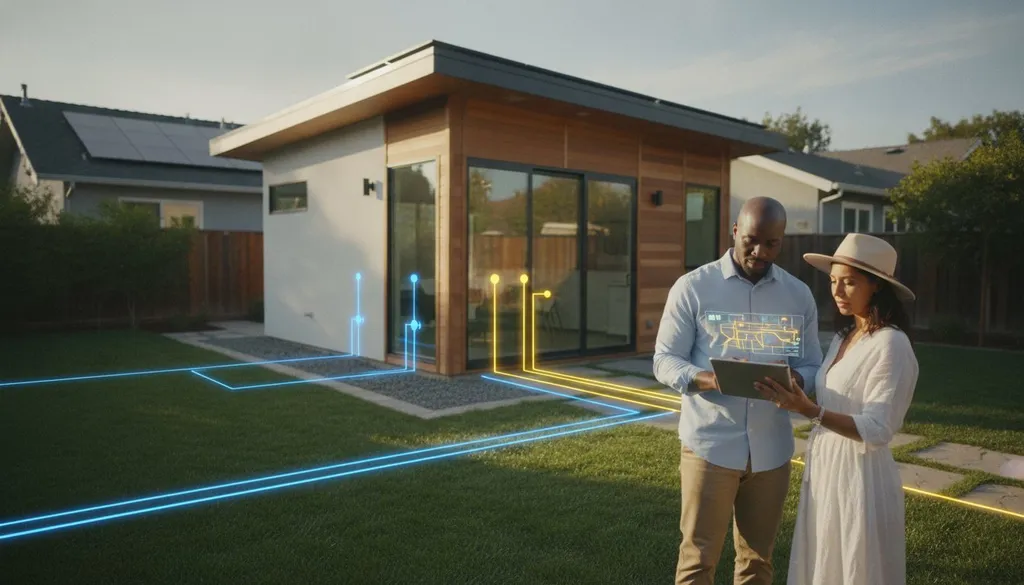
Expertise is found in the details of the site plan. Beware of "cookie-cutter" plans that look identical regardless of the property. In San Diego, a unit built within 5 feet of a property line requires specific fire-rated construction. If a contractor’s portfolio doesn't show variations for these fire-separation requirements, they may be selling you a design that won't pass a site assessment. Additionally, ask how they handle utility connections. A competent builder will show you floor plans that have been customized to account for the unique path to your sewer line or electrical panel, rather than forcing a "standard" layout that requires expensive trenching across your entire lot.
San Diego-Specific Construction Red Flags to Avoid
Identifying red flags is the most critical stage of vetting adu contractors san diego. In a high-demand market, some builders rely on homeowner confusion to hide poor planning or unexpected costs. You need a partner who provides transparency from the first meeting. If a contractor's proposal feels vague or ignores the specific technical hurdles of the San Diego Development Services Department (DSD), it's a sign they may not be equipped to finish your project on time or within budget.
Utility and Fee Red Flags
One of the most common excuses for project stagnation is the "SDG&E delay." While San Diego Gas & Electric does have its own timelines, a professional contractor should account for this in the initial project schedule. A major warning sign is a quote that lacks a formal service point study. This study determines where your ADU will connect to the grid. Without it, your builder is simply guessing at the utility costs, which can lead to five-figure surprises later. Similarly, be wary of any quote that omits San Diego's specific fire sprinkler requirements. Most new ADUs in the city must include these systems, and leaving them out of a bid is a common tactic used to make a price look artificially low.
Watch out for under-estimated site preparation costs. San Diego's terrain, particularly in North County or canyon-adjacent lots, often involves hidden granite or complex soil conditions. A vetted builder will include a contingency for these factors rather than promising a "flat-fee" site prep that doesn't account for reality. Additionally, ensure your quote explicitly mentions school impact fees. In 2026, residential construction for units over 500 square feet typically incurs school fees of approximately $4.79 per square foot. If your contractor ignores these, or the fact that units under 750 square feet are exempt from certain development impact fees, they don't have the local literacy you need.
To avoid these pitfalls, connect with vetted San Diego builders (opens in a new tab) who provide comprehensive, line-itemed proposals that reflect the true cost of local construction.
Communication and Project Management
The DSD currently aims to notify applicants within 15 business days if their submittal is complete. If your contractor cannot provide a clear log of their communication with the DSD or blames "the city" for months of silence without proof of a submittal, you're likely facing a management failure. Ask potential builders about their specific project management software. You want to see how they track milestones, manage sub-contractors, and document change orders. In the busy San Diego market, "sub-contractor-heavy" models can lead to quality issues if the primary contractor isn't physically on-site to supervise the work.
Before you commit to a long-term project, you must ensure your communication styles align. For a deeper dive into the technical details you should probe during an interview, read our guide on 21 Essential Questions to Ask an ADU Contractor Before You Sign in 2026 (opens in a new tab). A builder who refuses to provide a fixed-price contract after a feasibility study is a significant risk. In 2026, market stability allows for professional firms to stand by their numbers once the site conditions are understood.
How ADUDesk Simplifies Vetting ADU Contractors in San Diego
Vetting adu contractors san diego doesn't have to be a manual, high-stress endeavor. While individual research is vital, the sheer volume of San Diego-specific zoning changes and contractor performance data can be overwhelming for most homeowners. ADUDesk acts as your project partner, providing a neutral platform that prioritizes data over marketing claims. We bridge the gap between your vision and a permit-ready reality by ensuring every contractor on our platform has already cleared the technical hurdles we've discussed in this guide.
Our San Diego ADU rule checker tool allows you to verify feasibility before you even pick up the phone. This tool cross-references your specific lot against the latest 2026 density rules, ensuring that the floor plans you're considering are legally viable for your neighborhood. By starting with hard data, you eliminate the risk of hiring a builder who makes promises that the San Diego Development Services Department (DSD) simply won't allow. This tech-forward approach brings transparency to a process that has traditionally been opaque.
The ADUDesk Vetting Standard
We maintain a rigorous screening process that goes beyond a simple license check. Every builder in our network undergoes a deep audit of their litigation history, financial stability, and local track record. We specifically look for contractors who have successfully navigated the San Diego ADU Bonus Program and have a history of passing DSD inspections without repeated corrections. This performance-based approach ensures you're matched with professionals who are active and respected in the local building community.
Our matching service is built on granular data, not generalities. We track which builders are currently meeting their timelines and which ones are struggling with labor shortages in the local market. For a comprehensive look at our verification process, see our Finding Reliable ADU Contractors: Your 2026 Vetting & Matching Guide (opens in a new tab). This resource explains the 10-point background check every partner must pass.
Starting Your San Diego Project Today
The first step toward a successful build is setting a realistic budget. Use our ADU cost calculator to get an accurate estimate of construction costs, permit fees, and the school impact fees specific to your San Diego school district. Once you have a clear financial picture, you can request a vetted contractor match directly through the platform. This moves you from the "discovery" phase into "action" with confidence.
The ADUDesk matching service reduces the inherent risks of home construction by filtering out unverified or underperforming builders before they ever reach your doorstep. Instead of spending weeks calling references and manually checking the CSLB portal, you can move straight to interviewing top-tier pros who are already prepared for your specific project needs. Our platform serves as a stabilizing force, providing the expertise you need to ensure your ADU project is a long-term success.
Take the Next Step Toward Your San Diego ADU
Building an ADU in San Diego is a significant investment that requires more than just a general contractor. It demands a partner who understands the 2026 density rules and the specific submittal requirements of the Development Services Department. By focusing on local regulatory mastery and verifying floor plan feasibility before signing a contract, you protect yourself from common delays and hidden fees.
Effective vetting adu contractors san diego starts with data. You now have the framework to audit licenses, evaluate portfolios for "living flow," and spot red flags like vague utility quotes. Don't let the complexity of the San Diego Bonus Program stall your progress or create unnecessary anxiety.
Streamline this entire journey with ADUDesk. Gain immediate access to our 2026 San Diego ADU Rule Checker to verify your lot's potential and receive data-backed feasibility reports. We provide neutral matching with pre-screened local builders so you can start your project with total confidence. Find Vetted San Diego ADU Contractors with ADUDesk (opens in a new tab) today and turn your backyard vision into a permit-ready reality. Your new space is closer than you think.
Frequently Asked Questions
How much does a typical ADU permit cost in the City of San Diego?
Permit costs in San Diego typically range from $6,500 for a small studio up to $21,000 for a full 1,200-square-foot unit. Based on the 2025 fee schedule, a 600-square-foot detached unit averages approximately $16,147 in permit and plan check fees. These costs include building permits, plan reviews, and impact fees for larger units. Always ask for a line-item fee breakdown when vetting adu contractors san diego to ensure these municipal costs are accurately represented.
What is the San Diego ADU Bonus Program and how do I qualify?
The San Diego ADU Bonus Program allows you to build additional units beyond state limits if you deed-restrict one as affordable housing. On single-family lots under 8,000 square feet, you can potentially build up to four units. This program is a major reason to hire a specialist who understands local density bonuses. Qualifying requires a specific agreement with the San Diego Housing Commission to ensure the unit remains affordable for a set period.
How long does it take to get an ADU permit from the San Diego DSD in 2026?
The San Diego Development Services Department (DSD) aims to notify you within 15 business days if your application is complete. However, the full review cycle and permit issuance usually take several months. In 2026, digital submittals have streamlined the process, but backlogs still occur. A knowledgeable contractor will provide a realistic schedule that accounts for potential DSD correction cycles and utility coordination.
Do I need a separate SDG&E meter for my San Diego ADU?
You aren't always required to have a separate SDG&E meter, but it's often recommended for rental units or condo conversions under AB 1033. A separate meter allows for independent billing and is essential if you plan to sell the ADU separately in the future. Your contractor should perform a service point study early in the design phase to determine if your existing electrical panel can handle the new load or if a new service drop is needed.
Can I build a 2-story ADU in my San Diego backyard?
Yes, you can build a two-story ADU in most San Diego residential zones, provided you adhere to height limits and setback rules. Most zones allow detached ADUs to reach heights of 16 to 30 feet depending on the specific neighborhood plan. Keep in mind that two-story builds often trigger additional privacy requirements, such as frosted glass or specific window placements, to prevent looking directly into a neighbor's yard.
What are the setback requirements for ADUs in San Diego residential zones?
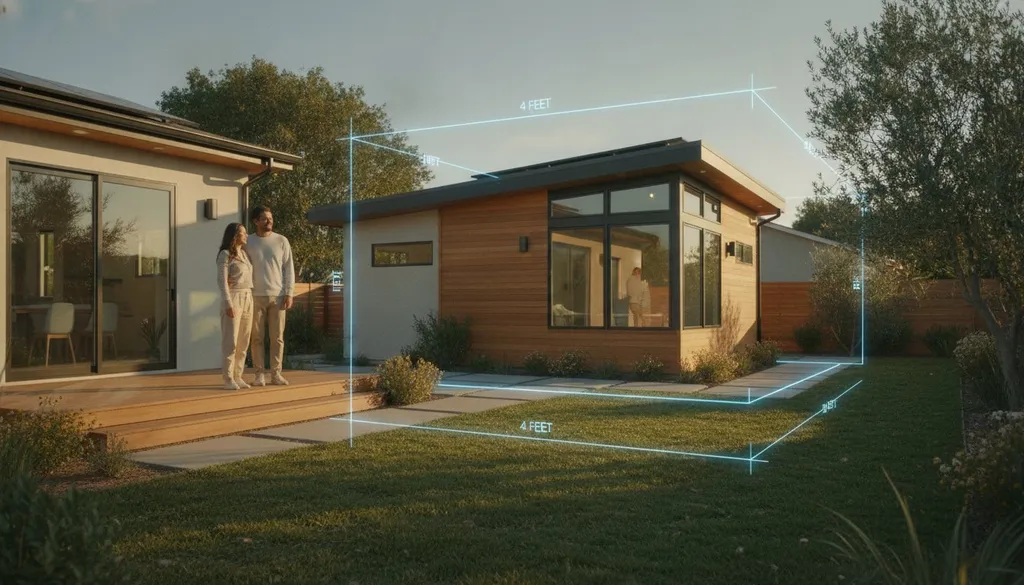
Standard setbacks for new detached ADUs in San Diego are 4 feet from the side and rear property lines. If you are converting an existing permitted structure, such as a garage, you may be able to maintain the existing 0-foot setbacks. Front setbacks must still comply with the underlying zone's requirements for the primary residence. Verify your specific lot constraints using a rule checker before finalizing your site plan.
How do I check if a San Diego contractor is currently in litigation?
Check a contractor's litigation history by searching the California Contractors State License Board (CSLB) portal for past citations or bond claims. For a deeper dive, search the San Diego Superior Court online records using the contractor's business name or the owner's name. This reveals any active or past lawsuits related to construction defects or breach of contract. High-quality vetting adu contractors san diego involves confirming they have a clean legal record before signing.
Are fire sprinklers required for all new ADUs in San Diego?
Fire sprinklers are required for your ADU if the primary residence is already equipped with them. For detached ADUs, sprinklers are generally required if the unit is located more than 150 feet from a fire apparatus access point or if local fire codes mandate them for safety. Conversion projects often avoid this requirement if the footprint doesn't change, but your builder should confirm this with the fire marshal during the plan check.