
Could your backyard generate $3,200 in monthly passive income, or is it destined to become a source of legal confusion and lost privacy? For many Los Angeles homeowners, the transition from builder to landlord feels like stepping into a maze of shifting regulations and personal boundary concerns. It is common to feel overwhelmed by the city's Rent Stabilization Ordinance or the technicalities of splitting utility costs with a tenant. You deserve a rental process that offers financial stability without the friction of constant management or legal uncertainty.
This comprehensive 2026 guide provides the specific adu rental tips and guidelines required to protect your investment and your peace of mind. We cover everything from securing your mandatory Certificate of Occupancy to navigating the latest SB 543 application timelines and state-wide rent cap percentages. By the end of this article, you will have a clear roadmap for finding a high-quality tenant who respects your boundaries. We help you ensure your backyard remains a sanctuary while it builds your wealth through a legally compliant, steady rental stream.
Understanding California ADU Rental Laws and Compliance
The 2026 California rental landscape for Accessory Dwelling Units is defined by a strong push for long-term housing stability. Renting out your unit is a significant financial move, but it requires a strict adherence to state and local mandates. To succeed, you must move beyond basic landlording and master specific adu rental tips and guidelines that protect your property rights. California state law currently prioritizes tenant protections, making your initial compliance steps the most critical part of the project.
One of the first hurdles is understanding AB 1482, the California Tenant Protection Act. While most newly constructed ADUs are exempt from the state-wide rent caps for the first 15 years after their creation, they aren't entirely off the hook. Many units are still subject to "Just Cause" eviction protections once a tenant has occupied the space for 12 months. This means you can't simply terminate a lease without a legally recognized reason, such as non-payment or a breach of contract.
To better understand this concept, watch this helpful video:
You must also distinguish between a standard ADU and a Junior ADU (JADU). JADUs are smaller units, capped at 500 square feet, and contained entirely within the walls of a primary residence. A major distinction in 2026 remains the owner-occupancy requirement. While state law has largely suspended owner-occupancy rules for standard detached ADUs, JADUs often still require the property owner to live in either the main house or the unit itself. Before you list the space, verify that you have a final Certificate of Occupancy. Moving a tenant into a unit without this document is illegal and can lead to massive fines or the inability to collect rent.
State-wide vs. Local Ordinances
Local control still plays a huge role in how you manage your property. You should navigate the specific rules for Los Angeles (opens in a new tab) and San Francisco (opens in a new tab), as these cities often layer additional protections over state law. For example, Los Angeles requires a minimum lease term of 30 days for ADUs, effectively banning short-term vacation rentals in these units. Check if your specific neighborhood requires a residential rental business license, which is a common requirement for professionalizing your backyard income stream.
Fair Housing and Anti-Discrimination
Small-scale landlords are not exempt from fair housing standards. While the "Mrs. Murphy" exemption offers some narrow flexibility for owners living in a building with four or fewer units, California's Fair Employment and Housing Act is much broader and stricter than federal law. You cannot discriminate based on race, religion, or familial status. In 2026, source of income protections are absolute; you must treat housing vouchers as a valid form of payment and cannot reject an applicant solely because they use a Section 8 voucher to cover their rent.
Preparing Your Backyard Unit for the Rental Market
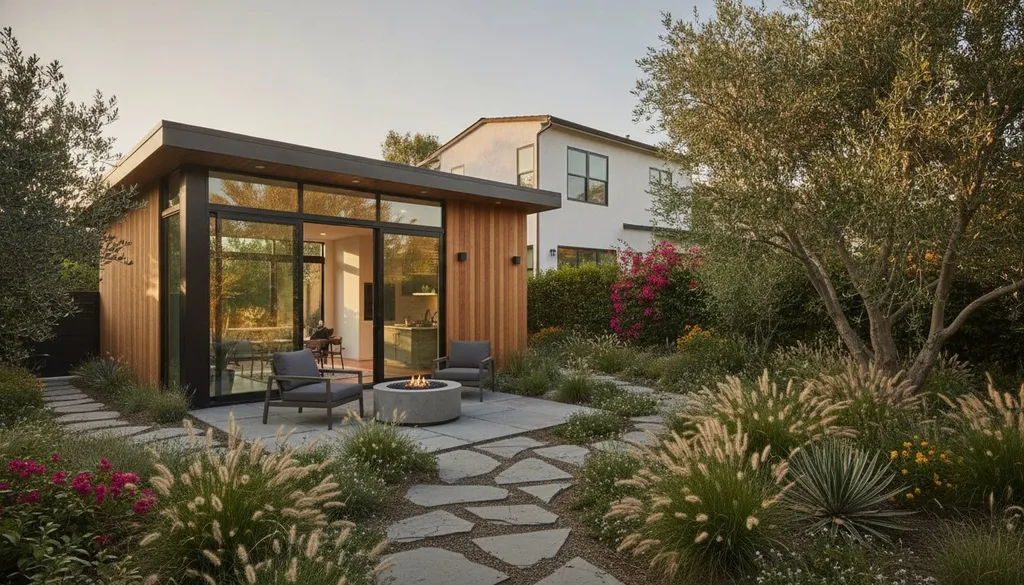
Preparing your backyard unit for the market requires a shift in perspective. You are no longer just a homeowner; you are a property manager creating a separate living experience on your own land. Successful landlording starts with physical boundaries. This ensures that you don't feel like a stranger in your own yard. Following the right adu rental tips and guidelines will help you balance hospitality with personal privacy.
Safety is the foundation of any rental. Your unit must meet all 2026 California building codes, including specific fire sprinkler requirements and ventilation standards. You can verify these technicalities through the official California ADU rental laws (opens in a new tab) documentation. Beyond legal minimums, consider the tenant's daily experience. A clear, well-lit path of travel from the street to the ADU entrance is essential. Use motion-activated LED lighting and stable pavers to create a professional and safe "front door" feel for a unit that sits in the back.
Smart home features are another high-value addition. Install keyless entry deadbolts to simplify turnover and enhance security. These systems allow you to grant temporary access to maintenance crews or new tenants without the risk of lost or duplicated keys. These adu rental tips and guidelines ensure your property stands out in a competitive Los Angeles market while keeping your management tasks simple.
Privacy and Boundary Management
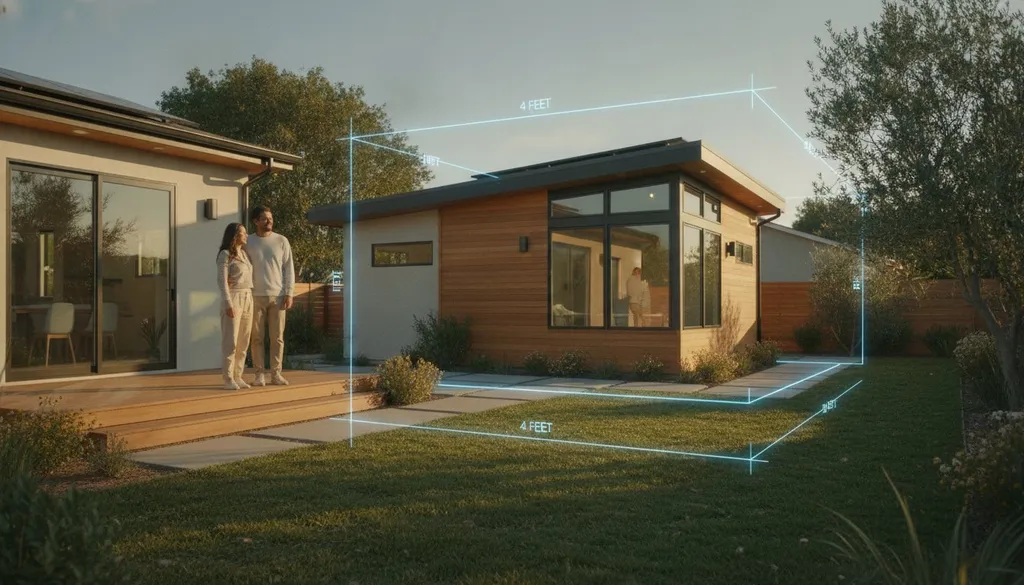
Privacy is the most common concern for backyard landlords. Install dedicated fencing or large, strategic planters to create a visual barrier between the main house and the ADU. Use frosted window film on side-facing windows to maintain natural light while blocking direct lines of sight. Soundproofing is equally vital. Use solid-core doors and double-paned windows to minimize noise transfer between the two residences. For layout inspiration that prioritizes separation, read our guide on ADU Design Tips and Ideas (opens in a new tab).
Staging and Photography for High ROI
Your listing photos are your first chance to justify a premium rent. Highlight luxury features like in-unit laundry, quartz countertops, or a private patio space. Use a wide-angle lens to make the small footprint feel airy and expansive. Professional staging can be a game-changer here. Real estate data suggests that professional staging and high-quality photography can increase the perceived rental value of a unit by as much as 15%. If your unit isn't quite ready for the camera, you can find a contractor (opens in a new tab) to help with final aesthetic upgrades or landscaping.
Screening Tenants and Drafting the Backyard Lease
Choosing a tenant for a backyard unit is a more intimate decision than renting out a standard apartment. You aren't just looking for someone who pays on time; you're looking for a neighbor who will live just a few feet from your own back door. To succeed, you must implement rigorous adu rental tips and guidelines that filter for both financial reliability and personal compatibility. Start with a comprehensive background check that includes credit history, criminal records, and prior evictions. Most Los Angeles landlords require a credit score above 650 and proof of income that is at least three times the monthly rent to ensure the tenant can comfortably afford the space.
While digital screening is efficient, an in-person or video interview is non-negotiable for a backyard unit. Use this time to assess "backyard compatibility." Ask about their typical daily schedule, how often they host guests, and their comfort level with shared outdoor spaces. This conversation helps you identify potential lifestyle clashes before any paperwork is signed. It's much easier to find a different applicant than it is to manage a personality conflict in your own yard.
The Backyard Code of Conduct
A successful shared-property arrangement relies on clear expectations. Do not leave the unwritten rules to chance. Define a specific code of conduct within your lease or as a signed addendum. This document should cover the logistical details that generic leases often miss:
- Shared Spaces: Clearly define which parts of the yard are private to the main house, private to the ADU, or communal.
- Quiet Hours: Establish specific hours, such as 10 PM to 7 AM, to prevent noise transfer through the close margins of a residential lot.
- Parking and Trash: Assign specific street or driveway spots and designate a schedule for bin management to avoid clutter.
- Guest Policy: Limit the duration of overnight guests to maintain the low-density feel of your property.
Legal Lease Essentials for 2026
Your lease must be legally sound to survive a dispute in California's pro-tenant environment. Ensure your document includes all mandatory 2026 disclosures, such as information on mold, lead-based paint, and bedbug history. Specify the exact term of the lease and the formal process for renewal or termination. If you want to ensure the physical unit matches the quality promised in your lease, refer to our 2026 California ADU Construction Contract Guide (opens in a new tab). This helps you verify that the build standards support the habitability clauses you are asking your tenant to sign. Using these adu rental tips and guidelines protects your investment and ensures a professional relationship from day one.
Managing Utilities, Maintenance, and Shared Logistics
Efficiently managing a backyard rental requires a shift from neighborly casualness to professional oversight. Success depends on setting clear systems for utilities and maintenance before the first tenant moves in. Following structured adu rental tips and guidelines helps you avoid the common friction points that arise when two households share one property's infrastructure.
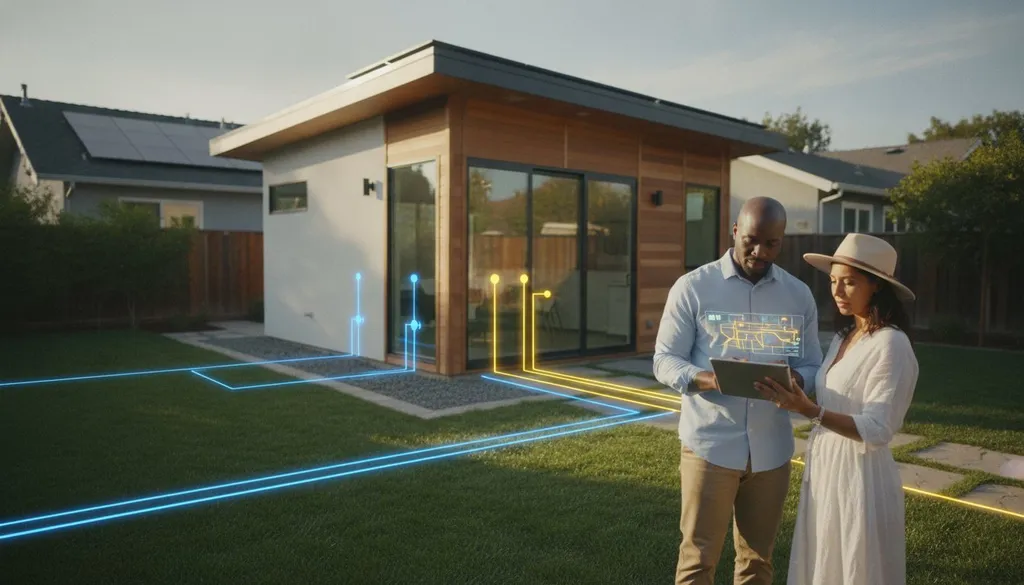
Deciding how to bill for water and power is your first major hurdle. You have three main options: installing separate utility meters, using a Ratio Utility Billing System (RUBS), or including utilities in a flat rent price. In Los Angeles, installing a separate LADWP meter typically costs between $2,000 and $5,000. While expensive upfront, it provides the cleanest legal separation and ensures you aren't paying for a tenant's excessive air conditioning use. If your budget is tighter, smart sub-meters offer a lower-cost alternative to track usage without a full city utility split.
Maintenance should be proactive rather than reactive. By following these adu rental tips and guidelines, you should schedule quarterly wellness checks to inspect for small leaks, test smoke detectors, and check HVAC filters. This protects your investment and demonstrates to the tenant that you care about the property's condition. Clearly define who handles exterior tasks like yard mowing or gutter cleaning in your lease to prevent the backyard from becoming an eyesore.
The Utility Dilemma: Water, Power, and Wi-Fi
Evaluate the ROI of separate meters based on your long-term plans. If you have a shared photovoltaic system, establish how solar credits are distributed to avoid disputes over electric bills. Security is also a factor for digital utilities. Require tenants to set up their own Wi-Fi accounts rather than sharing yours to protect your home network's privacy and bandwidth. This separation ensures that a tenant's high-data usage or security habits don't impact your own household's connectivity.
Professional Distance and Communication
Set firm boundaries by using dedicated communication apps or a digital portal for maintenance requests. This creates a paper trail and prevents late-night personal texts. Always respect the 24-hour notice rule for entry. Even though the unit is in your backyard, it's the tenant's legal residence. A comprehensive Welcome Packet with appliance manuals and local emergency contacts helps the tenant feel settled and reduces basic questions. If you need to upgrade your utility setup or handle complex repairs, you can find a contractor (opens in a new tab) who specializes in ADU systems.
Maximizing Your ADU Rental Income and Long-Term ROI
Maximizing your return on investment requires a shift from project management to financial optimization. While your unit is already built and occupied, your job as a landlord is to ensure the asset continues to perform at its peak. By following the right adu rental tips and guidelines, you can turn a backyard unit into a high-yield investment that pays for itself faster than you might expect. In Los Angeles, a detached ADU can achieve a potential gross annual return of 8% to 16% before expenses, making it one of the most efficient uses of residential land available today.
Perform an annual market analysis to keep your pricing competitive. In the current 2026 Los Angeles market, a studio ADU typically rents for $1,500 to $2,200 per month, while a one-bedroom unit can command $2,000 to $3,200. If you aren't adjusting for inflation or neighborhood demand, you are leaving money on the table. A well-managed unit can have a payback period of under 12 years, not including the substantial increase in your property's total value. To forecast these numbers and plan for future property upgrades, utilize our ADU Project Planning Tool (opens in a new tab).
Don't overlook the tax advantages of being a landlord. You can often deduct operating expenses like repairs, insurance, and even a portion of your property taxes. Depreciation is another powerful tool; it allows you to write off a portion of the construction costs over several decades, significantly reducing your taxable income. These adu rental tips and guidelines ensure that you aren't just collecting rent, but building long-term wealth through smart fiscal management.
Short-term vs. Long-term Rental Strategies
Los Angeles has strict rules regarding short-term stays, generally requiring a 30-day minimum lease. This creates a "sweet spot" for medium-term rentals. Targeting traveling nurses or corporate professionals can often yield higher monthly income than traditional long-term leases with less wear and tear than weekend travelers. Always check local ordinances if you own property in other hubs like San Diego (opens in a new tab) or Sacramento (opens in a new tab), as their definitions of short-term stays and permit requirements may vary significantly.
Protecting Your Investment
Financial growth is only sustainable if you protect your downside. Update your homeowner’s insurance to include a "Landlord’s Rental Dwelling" policy. This covers the specific risks associated with tenants that a standard policy might exclude. Set aside 10% of your gross monthly rent into a dedicated maintenance fund. This ensures you have the cash on hand for inevitable repairs without dipping into your personal savings. Finally, consult a tax professional about 2026 property tax assessments to understand how your ADU impacts your overall tax bill after recent legislative updates.
Secure Your Future as a Backyard Landlord
Transforming your property into a source of steady income requires a blend of legal precision and thoughtful boundary management. By mastering these adu rental tips and guidelines, you ensure that your backyard remains a peaceful sanctuary while it works for you financially. Success in 2026 depends on verifying your local zoning compliance and building a unit that meets the highest habitability standards from day one. Professional management systems for utilities and tenant communication will help you maintain a frictionless relationship with your new neighbors.
Your journey from homeowner to successful landlord is easier with the right partners. Use our local rule checker to confirm specific requirements in your California city and leverage our data-driven ROI calculators to forecast your earnings accurately. When you are ready to build a unit that attracts high-quality tenants, start your ADU project with a vetted contractor today (opens in a new tab) through our specialized matching service. You have the tools and the plan; now it's time to build the reliable passive income you deserve.
Frequently Asked Questions
Can I legally rent out my ADU in California in 2026?
Yes, you can legally rent out your ADU in California in 2026 provided it has a final Certificate of Occupancy from your local building department. State laws have streamlined the permitting process to encourage long-term housing. You must ensure the unit meets all current safety and habitability standards. Following the right adu rental tips and guidelines during the construction phase ensures your unit is legally ready for the rental market without delays.
Do I have to live in the main house to rent out my ADU?
For standard detached or attached ADUs, California law suspended owner-occupancy requirements through at least 2025. This means you don't have to live on the property to rent out the unit. However, Junior ADUs (JADUs) are different. They almost always require the owner to reside in either the primary home or the JADU itself. Check your local city ordinances, as some jurisdictions have specific rules for units built before the recent legislative changes.
How do I split utility bills between my house and the ADU?
You have three main paths for splitting utility costs. You can install separate meters, which typically costs between $2,000 and $5,000 for LADWP services in Los Angeles. Alternatively, you can use a Ratio Utility Billing System (RUBS) to divide costs based on square footage or occupancy. Some landlords choose to include a flat utility fee in the monthly rent. This third option is simple but carries the risk of the tenant using excessive energy.
Is my ADU subject to California rent control laws?
Most newly built ADUs are exempt from state-wide rent caps under AB 1482 for the first 15 years. However, they are often still subject to "Just Cause" eviction protections once a tenant has lived there for 12 months. This means you need a valid legal reason to terminate a lease. Always verify if your property falls under the Los Angeles Rent Stabilization Ordinance, which applies if the main house was built before October 1, 1978.
Can I rent my ADU on Airbnb or for short-term stays?
In Los Angeles, you generally cannot rent your ADU for short-term stays of less than 30 days. The city's regulations prioritize long-term housing over vacation rentals. Most ADUs do not qualify for the Home Sharing Ordinance unless they were built under very specific conditions. Targeting traveling nurses or corporate professionals for 31-day minimum stays is a common way to maximize income while staying within the legal boundaries of the local housing laws.
What happens if my tenant stops paying rent in a backyard ADU?
If a tenant stops paying rent, you must follow the standard California judicial eviction process. You cannot lock them out or cut off utilities yourself. Start by serving a formal notice to pay or quit. Because backyard ADUs often involve shared spaces, these situations can be stressful. We recommend using professional adu rental tips and guidelines like rigorous tenant screening and clear lease clauses to minimize the risk of non-payment before the lease begins.
Do I need a separate insurance policy for my ADU rental?
You absolutely need a "Landlord’s Rental Dwelling" policy or a specific endorsement on your existing homeowner’s insurance. A standard policy usually only covers the owner's personal use and will not protect you from liability or property damage caused by a tenant. This specialized coverage protects your investment from fire, theft, and lawsuits. It also often includes "loss of use" coverage, which replaces your rental income if the unit becomes uninhabitable due to a covered claim.
How much can I realistically charge for ADU rent in Los Angeles?
Rental rates in Los Angeles vary by neighborhood and unit size. As of 2026, a studio ADU typically rents for $1,500 to $2,200 per month. A one-bedroom unit generally commands between $2,000 and $3,200. Larger two-bedroom units can reach $4,200 in premium areas. These figures depend on amenities like in-unit laundry, private outdoor space, and high-end finishes. Use a data-driven cost and ROI calculator to set a competitive price for your specific zip code.