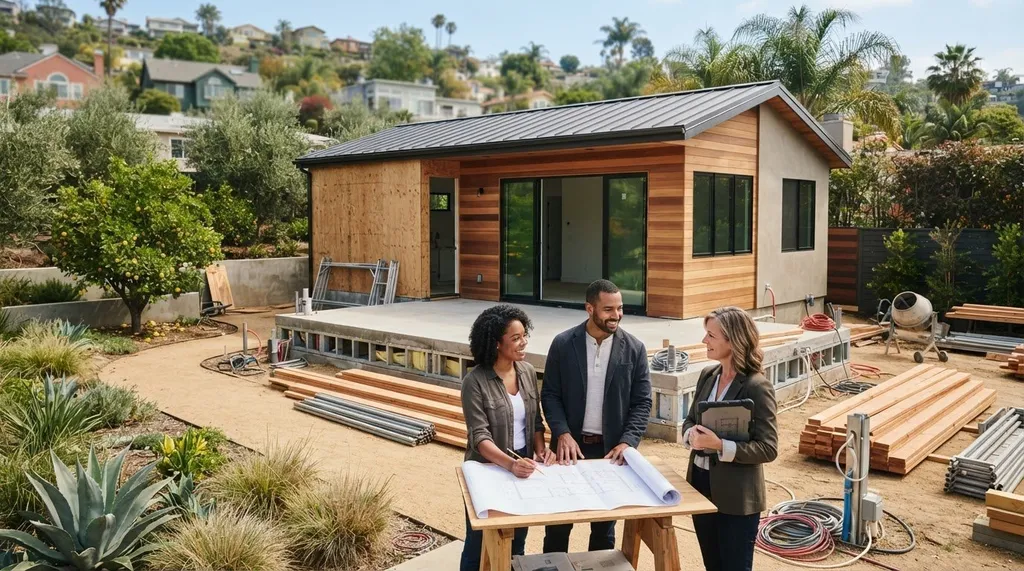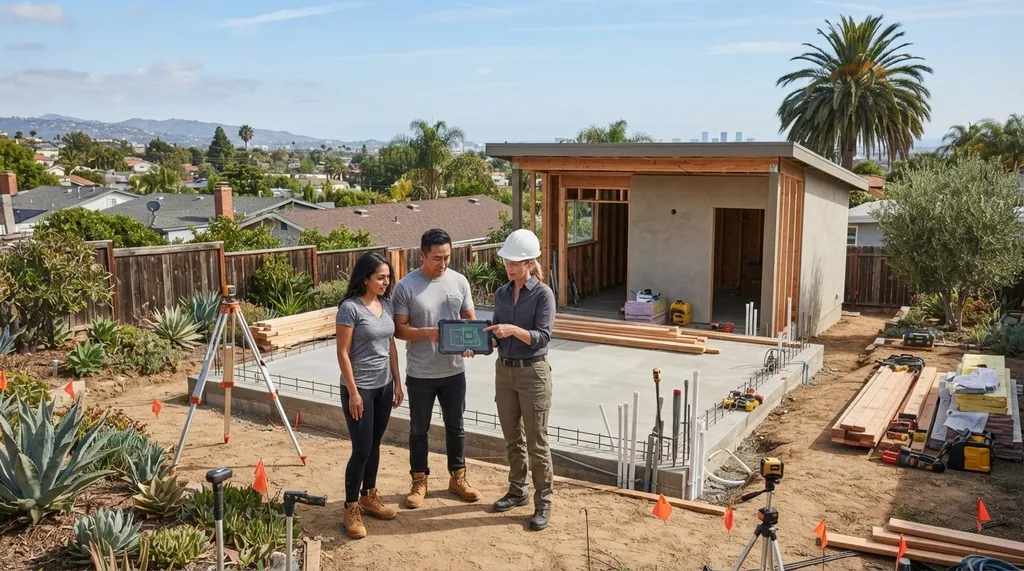

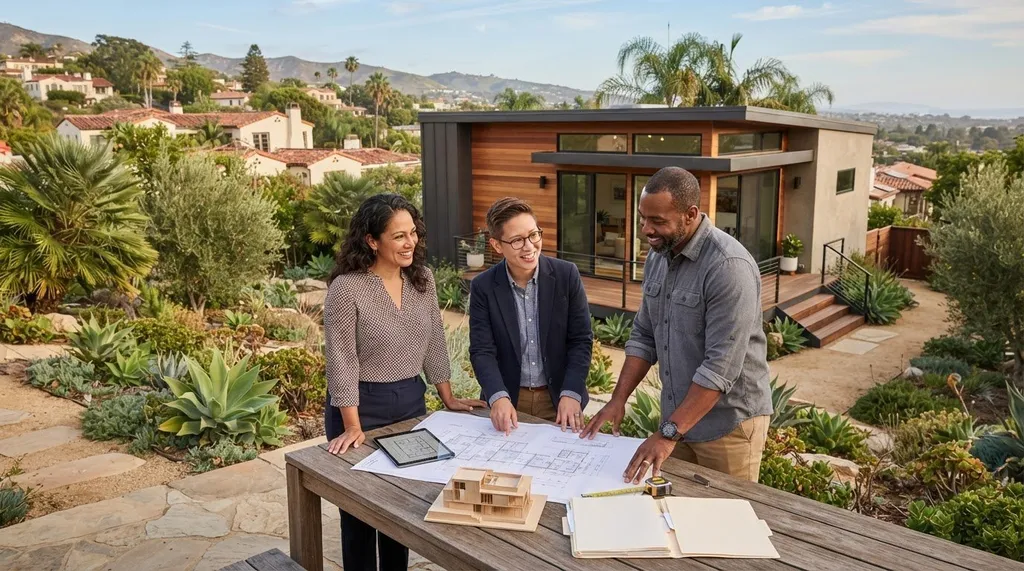
Did you know that as of March 2026, California cities are legally required to determine if your ADU permit application is complete within just 15 business days? While legislation has accelerated the timeline, identifying the best adu companies in california remains a source of significant stress. You're likely worried about contractor abandonment or concerned that unexpected change orders will derail your financial planning. It's natural to feel cautious when the stakes involve your primary residence and a substantial investment.
We're here to simplify this high-stakes decision by providing a clear, objective framework for your builder search. This guide helps you evaluate and select a partner tailored to your specific project, budget, and local zoning rules. You'll discover the functional differences between turnkey design-build firms and prefab manufacturers, while learning practical vetting steps to verify active licensing and municipal track records. We'll walk through exactly how to verify builder qualifications so you can move forward with informed readiness and connect with professionals equipped for your city's unique regulations.
What Defines the Best ADU Companies in California in 2026?
Building a secondary suite, commonly known as an Accessory Dwelling Unit (opens in a new tab), involves much more than standard residential construction. In 2026, the best adu companies in california distinguish themselves through an intimate understanding of shifting state mandates. For instance, recent legislation now requires cities to provide a completeness determination for applications within 15 business days. Top builders leverage these fast-tracked timelines because they know exactly how to navigate California's local rules (opens in a new tab). They don't just build structures; they manage the bureaucratic friction that often stalls less experienced contractors.
Financial transparency serves as the bedrock of a reliable partnership. Premium firms operate with clear milestone billing and robust bond coverage, protecting you from contractor abandonment issues. Platforms like ADUDesk help homeowners verify these qualifications by offering dedicated matching frameworks. The best adu companies in california prioritize pre-construction feasibility assessments to identify potential roadblocks before a single shovel hits the dirt. This methodical approach ensures that your budget remains stable and your construction timeline stays on track.
To better understand the nuances of building in the current market, watch this helpful video:
Core Capabilities of Top-Tier ADU Specialists
Expert builders maintain in-house permit processing teams who are fluent in municipal submittal portals. This specialized staff ensures that plans meet the strict 60-day approval deadline for complete applications. When evaluating potential partners, look for recent local case studies that mirror your specific footprint. A firm that successfully completed a 750-square-foot unit in your city recently is more valuable than one with generic high ratings. Finally, confirm they offer transparent warranty coverage for both structural integrity and interior mechanical systems.
Why Standard Home Remodelers Often Struggle with ADUs
General remodelers often underestimate the technical complexity of detached units. ADUs require separate utility connections, which involve distinct trenching, metering, and municipal hookup procedures that differ from a simple kitchen renovation. Foundation engineering is another hurdle; detached units must adhere to specific soil requirements and 4-foot rear and side setbacks. Before you hire any professional, review these 2026 ADU Property Requirements (opens in a new tab) to verify your lot's compliance and avoid costly engineering revisions later.
Comparing California ADU Builder Models: Turnkey, Modular, and Custom General Contractors
Identifying the best adu companies in california requires more than checking star ratings; it necessitates choosing a delivery model that matches your site's physical constraints and your personal management style. While California state ADU laws (opens in a new tab) have standardized many zoning rules, the logistical execution of your build varies wildly between turnkey, modular, and custom general contracting models. Each approach offers distinct advantages for different property types and homeowner needs.
Turnkey Design-Build Firms
Turnkey companies provide single-point accountability by managing every phase of the project, from initial concept drawings and structural engineering to final municipal inspections. By keeping architecture and construction teams under one roof, these firms eliminate the communication breakdowns that often occur when separate entities handle design and build. This model ensures that the architectural vision remains aligned with the actual construction budget. It's the most efficient route for homeowners seeking a guided, hands-off development experience without the stress of managing multiple vendors simultaneously.
Prefabricated and Modular Construction Providers
Modular builders construct units in factory-controlled environments, which can significantly accelerate production schedules and improve quality control. This method minimizes on-site dust and noise, as the unit arrives at your property nearly complete. However, you must conduct a thorough site access evaluation before committing to this model. Narrow streets, low-hanging trees, or overhead power lines can prevent flatbed deliveries or heavy craning equipment from reaching your backyard. Keep in mind that even with a prefab unit, you'll still need a local general contractor to manage site preparation, utility trenching, and foundation pours.
Specialized Independent General Contractors
If you already have architectural prints or pre-approved city building plans, an independent general contractor is likely your best fit. This traditional model allows for granular material selection and flexible on-site modifications during active framing phases. It's ideal for complex garage conversions or highly custom detached units that must match the primary residence's unique aesthetic. You maintain control over every finish, from specific flooring brands to custom cabinetry. To ensure your timeline remains realistic, use this ADU Project Planning Tool (opens in a new tab) to structure your pre-construction milestones before signing a contract.
Once you've determined which model fits your property's specific needs, you can connect with vetted local professionals (opens in a new tab) who specialize in that delivery method to begin your project with confidence.
Regional Vetting Essentials Across Los Angeles, the Bay Area, and San Diego
Selecting the best adu companies in california requires a hyper-local approach. While state laws provide a baseline, individual cities enforce their own inspection standards and permitting timelines. A firm that excels in suburban Sacramento might struggle with the specific seismic requirements or wildland-urban interface (WUI) codes found in coastal or hillside regions. Don't assume a high rating on a generic directory translates to success in your specific planning department. Regional soil conditions often dictate whether you'll need expensive deepened footings or specialized foundation engineering, making local expertise a non-negotiable requirement.
Reliable builders maintain established relationships with local municipal plan check reviewers. These connections don't provide shortcuts; they ensure the builder understands exactly how a specific city interprets gray areas in the code. This is particularly vital in 2026, as cities work to meet the 15-day completeness determination mandate. Before signing any agreements, verify specific municipal requirements using the California Local Rules Directory (opens in a new tab). This step confirms your builder is working from the most current local amendments rather than outdated state-level summaries.
Navigating Southern California: Los Angeles and San Diego
Los Angeles projects demand builders who understand LADWP power line clearances and LADBS standard plans. If your contractor isn't familiar with these specific setbacks, your project could face significant delays during the utility hookup phase. San Diego projects often follow a different path, frequently utilizing city-specific bonus density programs that allow for expanded secondary units in exchange for affordability covenants. Review specialized guidelines through the San Diego Local Rules Guide (opens in a new tab) to ensure your builder maximizes your property's potential while remaining compliant with regional seismic safety standards.
Navigating Northern California: San Jose, Oakland, and San Francisco
Northern California presents unique logistical hurdles that can quickly inflate budgets. Bay Area projects often trigger strict geotechnical reviews, slope constraints, and heritage tree ordinances that require specialized site plans. In cities like Oakland and San Francisco, builders must navigate complex multi-unit fire suppression and egress plans for tight infill lots. These regulations are far more stringent than those in the Central Valley. Reference the San Jose Local Rules Guide (opens in a new tab) to confirm local setback standards and height restrictions before finalizing your unit's footprint.
The 5-Step Due Diligence Checklist Before Signing an ADU Contract
A disciplined vetting process is the only way to protect your property equity, your budget, and your construction timeline. The best adu companies in california welcome this level of scrutiny because their business models are built on transparency and professional accountability. Don't sign a contract based on a sales presentation alone. Instead, use this five-step checklist to verify that your chosen builder is legally compliant and operationally stable before any work begins on your lot.
Taking the time to perform these checks prevents the most common homeowner pains, such as contractor abandonment or project delays caused by failed inspections. By following a structured approach, you move from a state of uncertainty to one of informed readiness. Once you've mastered these vetting steps, you can match with pre-vetted ADU builders (opens in a new tab) who already meet these high standards of professional conduct.
Step 1 & 2: License Verification and Insurance Audits
Verify active Class B General Building licenses directly through the California State License Board (CSLB) database. It's not enough to see a license number on a business card; you must confirm the license is in good standing and not suspended. Ensure the business entity name on the contract matches state registration records exactly to avoid "shell" company risks. Confirm valid general liability coverage and mandatory workers' compensation for all active crew members. If a contractor claims their workers are "independent contractors" to avoid paying workers' comp, be aware that you could be held liable for on-site injuries. Always request a certificate of insurance that names you as additionally insured for the duration of the project.
Step 3: Interviewing Builder References and Inspecting Active Sites
Request addresses of completed local projects so you can inspect exterior finish quality firsthand. A glossy portfolio can hide poor craftsmanship that only becomes visible upon a close physical inspection. When you speak with previous clients, ask specific questions about change order frequency and communication reliability. Did the builder resolve punch-list items quickly? Was the job site kept clean and respectful of neighbors? Utilizing these 21 Questions to Ask an ADU Contractor (opens in a new tab) during preliminary interviews will help you uncover potential red flags before they become expensive problems during framing or finishing.
Step 4 & 5: Milestone Payment Structures and Contract Protections
Confirm that upfront deposits strictly comply with California statutory limits for home improvements. By law, a deposit cannot exceed 10% of the total project price or $1,000, whichever is less. Any builder demanding more than this upfront is violating state standards and signaling potential financial instability. Tie all subsequent progress disbursements directly to passed municipal inspections rather than arbitrary calendar dates. This ensures you only pay for work that has been verified as code-compliant by a city official. Consult the California ADU Construction Contract Guide (opens in a new tab) to avoid common liability traps and ensure your contract includes a clear dispute resolution process.
Connecting with Vetted California ADU Specialists Through ADUDesk
Selecting from the best adu companies in california shouldn't feel like a high-stakes gamble. Finding a reputable builder is the final step in a process that begins with accurate data and ends with a secured contract. ADUDesk acts as your project partner, providing the stabilizing force needed to move from a state of uncertainty to one of informed readiness. By utilizing specialized digital tools, you can evaluate builder qualifications and lot feasibility before you commit to a long-term professional relationship.
Navigating the California builder market requires a tech-forward approach to traditional project management. Our platform evaluates local building rules, specific lot parameters, and your unique project scope to ensure you're matched with the right specialist. This data-driven discovery phase eliminates the guesswork that often leads to permit delays or budget overruns. You gain access to a dedicated matching framework that connects you with professionals who possess verified track records in your specific municipal jurisdiction.
Data-Driven Pre-Construction Planning
Run an automated feasibility evaluation to verify critical constraints like the 4-foot rear and side setbacks mandated by state law. Our Local ADU Rule Checker covers major planning jurisdictions, ensuring you don't waste time or capital on unviable designs. Before you solicit formal contractor bids, use our ADU Cost Calculator to establish realistic budget baselines. This step is vital for identifying whether your project qualifies for the impact fee exemption for units under 750 square feet. By confirming lot compliance early, you prevent the need for expensive architectural revisions after a builder has already been hired. Use the ADU Project Planner to organize your pre-construction milestones and keep your development timeline on track.
Streamlined Contractor Matching and Next Steps
Once your project parameters are defined, our Contractor Matching Service connects you with licensed local professionals. We vet every builder for active insurance, past performance, and customer satisfaction within your specific city. You'll review transparent project scopes with builders who intimately understand your local building department's submittal portal and inspection standards. This ensures your application benefits from the 15-day completeness determination mandate currently in effect. To prepare for your initial interviews and contract negotiations, consult our comprehensive Vetting and Matching Guide (opens in a new tab). This resource helps you prepare your project for success by providing a structured path toward a signed agreement with one of the best adu companies in california.
Building Your California ADU with Confidence
Success in the backyard housing market depends on moving beyond generic star ratings to verify local municipal track records and active licensing. You've learned that the best adu companies in california are those that align with your specific property constraints and delivery model, whether you choose a turnkey firm or a modular manufacturer. By following a disciplined due diligence process and tying payments to passed inspections, you protect your investment from common construction pitfalls.
ADUDesk provides the specialized tools you need to stabilize this complex journey. Utilize our proprietary local rule checkers and pre-construction feasibility tools to confirm your lot's potential before you sign a contract. Our pre-screened contractor network connects you with professionals who have verified performance records in your specific city. Take the next logical step toward expanding your property's value and utility. Find Vetted California ADU Contractors for Your Project (opens in a new tab) and start your build with a reliable partner. You're now equipped to turn your vision into a compliant, high-quality reality.
Frequently Asked Questions
How do I verify if an ADU company is properly licensed in California?
Verify a contractor's status by visiting the California State License Board (CSLB) website and entering their license number. You must confirm the license is active and specific to Class B General Building. Ensure the name on the license matches the business entity on your contract exactly. ADUDesk's matching service pre-screens professionals for active licensing and bond standing in cities like Los Angeles and Sacramento to reduce your administrative burden.
What is the difference between a turnkey ADU company and a general contractor?
Turnkey companies manage the entire process, including architectural design, engineering, and permitting, under a single contract. In contrast, independent general contractors typically focus only on construction and require you to provide pre-approved plans. Choosing between them depends on your desire for a guided experience versus granular control over custom designs. The best adu companies in california often utilize the turnkey model to maintain single-point accountability throughout the project.
How much deposit can a California ADU contractor legally ask for upfront?
California law strictly limits upfront deposits for home improvement projects to 10% of the total contract price or $1,000, whichever is less. A builder asking for more than this is violating state regulatory standards and potentially signaling financial instability. Always tie subsequent payments to specific construction milestones and passed municipal inspections. Use our project planner to track these requirements for projects in San Diego, Oakland, or San Jose.
Should I choose a prefab ADU company or a site-built contractor?
Prefab units offer faster production schedules and reduced on-site noise, but they require clear crane access and flatbed delivery routes. Site-built contractors provide maximum customization and better handle difficult hillside lots or narrow setbacks common in San Francisco. Evaluate your property's specific physical constraints using a local rule checker before deciding. Both models are represented among the best adu companies in california, depending on your lot's unique requirements.
How long does a typical California ADU take to design, permit, and build?
Timelines vary by construction model and location. Prefab projects generally take 3 to 9 months, while custom detached units range from 6 to 18 months. Garage conversions often finish within 4 to 8 months. As of 2026, California mandates a 15-day completeness determination for permit applications, though total approval times still depend on local municipal workloads in cities like Long Beach or Anaheim.
Do the best ADU companies handle all city building permits and utility connections?
Top-tier turnkey firms manage all municipal submittals, plan checks, and utility trenching for water, sewer, and electrical hookups. If you hire an independent general contractor, you might need to manage permit coordination yourself or hire a separate consultant. Verify that your contract explicitly includes soft costs like permit fees and utility connection management, as these tasks require specialized knowledge of regional agencies like LADWP or PG&E.
What red flags should I watch for when vetting California ADU builders?
Watch for these warning signs during your vetting process:
- Demands for deposits exceeding $1,000 before work starts.
- Lack of verifiable workers' compensation or general liability insurance.
- Pressure to pull owner-builder permits to bypass contractor liability.
- Vague payment schedules not tied to passed municipal inspections.
Reliable builders provide transparent case studies and maintain active standing with the CSLB. Use a matching service to connect with pros who have passed these initial screenings.